

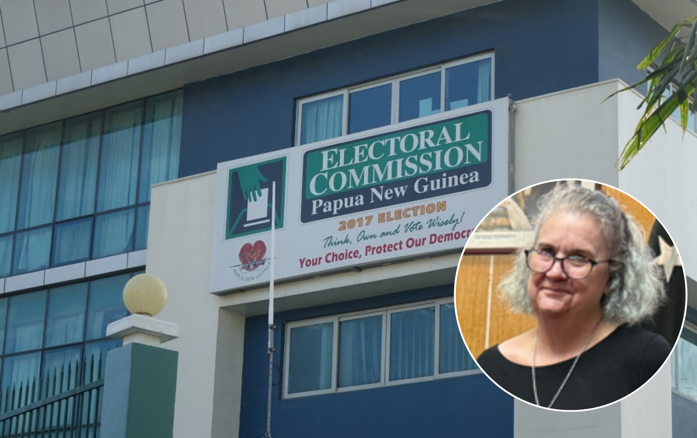
Electoral Commissioner, Dr Haley has told a parliamentary committee that procurement irregularities, staffing shortages and financial-control problems are putting pressure on preparations for Papua New Guinea’s 2027 National General Election.
Appearing before a Special Parliamentary Committee on Friday, October 9, Dr Haley said the Commission had identified issues with logistics contracts for transporting sensitive and non-sensitive election materials. She said the contracts had been placed on hold while the Commission investigated the concerns and considered alternative arrangements.
The logistics contracts cover the movement of ballot papers and other election materials. Dr Haley said the Commission was also discussing possible donor support for logistics.
She told the committee that ballot papers had been ordered and the first phase of printing was complete. The initial printing, carried out in Australia, included most of the security features. A second phase would begin once the electoral roll was finalized.
Dr Haley said the new security measures were intended to make the supply and distribution of ballot papers easier to audit and to help identify counterfeit papers.
“The ballot boxes had also been ordered, with the first shipment already delivered. India had pledged support for the supply of indelible ink,” she said.
Committee members raised concerns about the procurement process and asked whether irregularities had affected preparations for the 2027 election.
Dr Haley said the Commission had identified problems in current logistics arrangements and was working to address them.
She also outlined findings from an internal audit of wage payments made through the KunduPay system between January and April. According to Dr Haley, K4.9 million had been transferred for casual and temporary election workers, but less than K1 million had been spent on what the audit identified as legitimate wages.
She said the remaining funds had gone to senior Commission leaders and non-budgeted expenses.
Dr Haley further described the findings as serious legacy issues and said the Commission was working with the Chief Secretary’s office to audit its staffing structure and financial practices.
The Commission is also facing significant vacancies. Dr Haley told the committee that 33 of its 105 established positions were vacant, while more than a dozen officers had passed the compulsory retirement age. Several of those officers were election managers in provincial offices.
She said the Commission was considering succession planning, moving experienced staff into vacant roles and seconding personnel from other government agencies. The Commission would also need to reconstitute its Special Procurement Committee after the suspension of its chair and finance director, she said.
The committee pressed Dr Haley on the time available to resolve the issues, noting that election preparations were already under pressure. She acknowledged the scale of the work and said the Commission was moving urgently to fill staffing gaps, restore financial controls and progress outstanding procurement.
Dr. Haley said the 2027 election would continue to use paper ballots, while the Commission worked to strengthen the systems and safeguards needed to deliver it.