

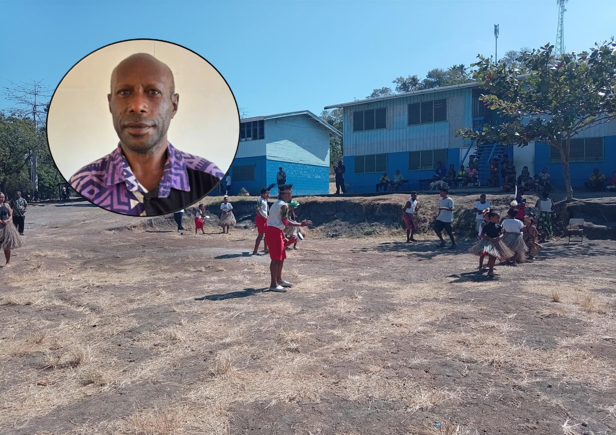
A shortage of teacher housing remains the biggest challenge facing Tubusereia Junior High School in Central Province, despite steady progress in developing infrastructure and improving learning facilities.
Headmaster Mr. Nelson Kwagwi said the school, established as a Junior High in 2024 under Papua New Guinea's 1-6-6 education reform, has grown to 485 students with 12 teachers and is now in its third year of operation.
"We all started together when the school was established, and this is now our third year.”
He said while the school has successfully established specialist facilities such as science, practical skills and home economics classrooms, accommodation for teachers remains a critical issue.
"Only about three teachers are accommodated within the school. The rest are renting outside, and that creates challenges.”
Kwagwi explained that housing difficulties contribute to teacher absenteeism, as some staff struggle with rental costs and commuting.
He said the school has already lost several teachers, placing additional pressure on those who remain.
"If teachers are properly accommodated at the school, we can minimize many of these problems. Teacher housing must be a priority because it directly affects classroom learning and students' academic performance.”
The school currently caters for students from Grades 7 to 10 with eight classes and maintains a near-equal enrolment of boys and girls.
Kwagwi said the school has also strengthened its learning environment by establishing an ICT laboratory and restoring internet access through a new Starlink service after its previous agreement expired.
He added that student attendance remains strong despite staffing challenges.
"Our students continue to come to school every day. Their interest in learning is still high, and we want to ensure we continue providing quality education.”
On disaster preparedness, Kwagwi said the school had already experienced the effects of El Niño through water shortages and has put measures in place to ensure water remains available for students and staff.
The school plans to refill water tanks regularly, reduce outdoor activities during prolonged dry periods and prioritize the health and wellbeing of students and teachers throughout the dry season.
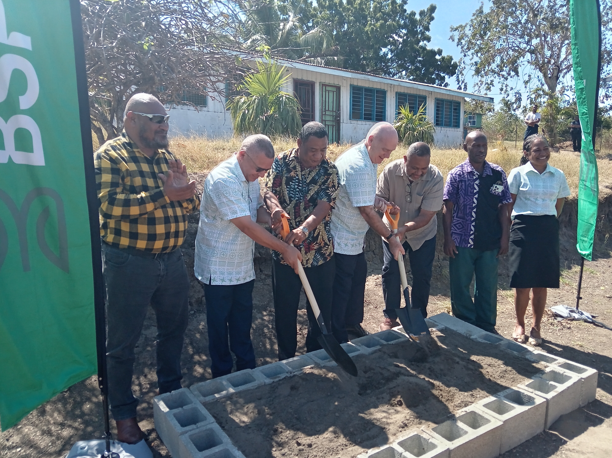
Kwagwi said the school also welcomed the construction of a new multipurpose hall from BSP, which will complement existing facilities and further improve the learning environment for students.
In regard to GTFS, the school has received both its first and second quarters, which was approximately K70, 000 for each term.