
NEWS SPORTS BUSINESS ENTERTAINMENT
Posts by Jordan VELA | PNG Haus Bung
POSTS BY AUTHOR
Jordan VELA

Jordan VELA

MEREANI MASANI COMES BACK WITH NEW SINGLE “MI GO”: A MOVE ON ANTHEM MEREANI MASANI COMES BACK WITH NEW SINGLE “MI GO”: A MOVE ON ANTHEM
More than a year after the release of her signature hit Melanesian Queen, PNG local artist Mereani Masani is making her long-awaited return with a new single, ‘MI GO’ that will be released today June 5th. The track delivers a message of healing, self-discovery and moving forward after a toxic relationship; something Mereani believes will resonate with many listeners. “It is about celebrating a new chapter after coming out of a toxic relationship and where you are not stuck in this place of uncertainty and depression,” she said. “This song is to remind us that it is okay to move on with your life and be happy.” “If that was not meant for you, then it's not for you. You cannot hold back and keep staying in that same place, so it’s like, ‘MI GO NAU!’” Written entirely in Tok Pisin, MI GO marks a deliberate return to the language for the singer, who said she intentionally chose to tell the story in a way that would feel authentic and relatable to local audiences. Beyond her own experiences, Mereani revealed the song was also inspired by a conversation with her nephew, who was struggling after the breakdown of a long-term relationship. “It was flowing through my mind, and when I talked with my nephew who was coming out of a long-term relationship, it became even more relatable.” The discussion reinforced the central message of the song, which is knowing when to let go and move forward. “Man, you have to let her go. Maybe she’ll come back or maybe she won’t, but you can’t be stuck in this place forever where it’s sad or life is over.” In a surprising burst of creativity, Mereani said the song was written in just one day and produced in less than 24 hours. The release also signals the beginning of a new chapter for the artist, who confirmed that fans can expect an album in the future, although she is not yet ready to announce a release date. “As an artist, I have to be in that certain place to actually feel what I write,” she said. “I am also a full-time mum, so I won’t give an exact timeline for the album, but I am aiming to put one out soon.” While balancing motherhood and music, Mereani said inspiration remains the driving force behind her song writing process, describing it as something that comes when the right creative moment, or what artists often call a muse, arrives. Fans will get their first chance to hear MI GO perform live when Mereani takes the stage at the WAN FIRE Music Festival come June 20. For an artist whose last major release crowned her as one of PNG music’s most recognizable voices, MI GO is more than just a comeback single; it is a declaration of growth, healing and the courage to move forward.
Published on June 5, 2026
FAMILY SUPPORT & PNG CONNECTION DROVE CHIEFS DECISION: JOHNSTON FAMILY SUPPORT & PNG CONNECTION DROVE CHIEFS DECISION: JOHNSTON
NRL record try-scorer Alex Johnston expressed that the support of his wife and children combined with his strong Papua New Guinean heritage, made his decision to join the PNG franchise in 2028 an easy one. Johnston revealed that he had already made up his mind to join the PNG-based NRL club as soon as its entry into the competition was officially announced. The South Sydney Rabbitohs winger said his family played a key role in the decision-making process, with his wife immediately supporting the move. “Once I spoke to the missus, she was all for it. She is the boss pretty much. So, she is happy, I am happy,” Johnston said. The veteran winger said there were few concerns about relocating, despite questions often raised about safety in the country. He said his experiences visiting the country have always been positive, and he is looking forward to spending more time in communities across the nation. Johnston explained that while contract negotiations focused on securing the right deal, his long-term intention had always been to join the PNG franchise. “As soon as the Chiefs were announced, I had basically made up my mind that I wanted to go.” The 31-year-old said his children are also excited about the move and the opportunity to become part of a historic chapter in rugby league. The signing is expected to be one of the most significant in the club’s early history, with Johnston bringing a wealth of NRL experience and a record-breaking career to the country’s first team in the national competition. Widely regarded as one of the game’s greatest finishers, Johnston recently became the NRL’s all-time leading try-scorer and believes the next chapter of his career is about more than personal achievements. During his visit, Johnston also spoke about creating pathways for young players and helping inspire the next generation of rugby league talent. His move to the PNG franchise is being viewed as both a major recruitment coup and a powerful symbol of the club's ambition as it prepares for its inaugural NRL season in 2028. For Johnston, however, the decision came down to family, heritage and the opportunity to help build something historic. With the backing of his wife, the excitement of his children, and the support of rugby league fans across Papua New Guinea, Johnston says he is ready to embrace the next chapter of his career.
Published on June 4, 2026
BARKER URGES PNG TO PREPARE FOR POSSIBLE EL NIÑO IMPACTS BARKER URGES PNG TO PREPARE FOR POSSIBLE EL NIÑO IMPACTS
Institute of National Affairs Executive Director Paul Barker is urging authorities to strengthen preparations for a possible El Niño event, warning that prolonged dry conditions could threaten water supplies, agriculture, health services and electricity generation across the country.Speaking to PNG Haus Bung, he stressed on the need for early planning. Barker said preparedness measures must be put in place now to reduce the impact of drought conditions on communities and the economy. He said national agencies, provincial governments and key sectors need to work together to ensure response systems are ready before dry conditions intensify. A major concern highlighted by Barker was water security, which he said remains critical for households, agriculture and hydroelectric power generation. “Preparedness means having backup water supply systems and being ready to respond when things do happen,” Barker said. He said authorities should priorities reserve water supplies, irrigation systems and contingency plans for urban centers heavily dependent on major water sources. Barker warned that prolonged dry conditions could place additional pressure on health facilities and schools, particularly in rural areas where access to water is already limited. He said lessons from previous drought events should guide planning efforts and strengthen the country’s ability to respond to future climate challenges. In the energy sector, Barker called for greater investment in solar power to complement existing hydroelectric generation systems. “With a long dry season, we can actually be geared with our electricity supply to using that sun more, because solar investments are a useful diversification for electrical generation,” he said. Barker said diversification is an important risk-management strategy not only for energy generation but also for agriculture. He encouraged farmers to grow a variety of crops, including drought-resistant food crops, to reduce the risk of food shortages during extended dry periods. Despite the challenges associated with El Niño conditions, Barker noted that some sectors could benefit from prolonged dry weather. He said coffee has historically performed well during dry periods, helping some growers maintain income when food crop production declined. “Coffee was actually getting quite a good yield in some of the El Niño years, and those who had coffee income were able to help balance their overall income and purchase food,” he said. Barker also warned of increased fire risks during prolonged dry conditions and urged communities to exercise caution when using open fires near forests, agricultural land and plantations. He stressed that preparedness and prevention remain the most effective response to potential drought impacts. “Preparedness and prevention are better than cure, but you have to be ready to respond when things do happen,” Barker said. With forecasts indicating the possibility of an El Niño event later this year, Barker said now is the time for governments, communities and businesses to strengthen planning efforts and protect essential services, livelihoods and water supplies.
Published on June 4, 2026
CIMC TRANSPORT COMMITTEE HIGHLIGHTS LONG-STANDING SECTOR CHALLENGES CIMC TRANSPORT COMMITTEE HIGHLIGHTS LONG-STANDING SECTOR CHALLENGES
The CIMC Transport and Infrastructure Sectoral Committee reconvened for its first meeting of 2026 on Wednesday, June 3rd, bringing together key stakeholders to address long-standing transport and infrastructure challenges affecting the country. Held at the Crown Hotel in Port Moresby city today, the meeting brought together representatives from the Civil Aviation Safety Authority (CASA), Motor Vehicle Insurance Limited (MVIL), Department of Works and Highways, PNG Ports Corporation, Department of Information and Communications Technology (DICT) but there were some major agencies that weren't present like National Maritime Safety Authority (NMSA), National Airports Corporation (NAC), Road Traffic Authority (RTA), and other sector stakeholders. The meeting was chaired by former Institute of Engineers Papua New Guinea (IEPNG) President Mrs. Edea Bourage. Mrs. Bourage noted that the committee had not met throughout 2025 due to the absence of a chairperson, with the previous meeting held on April 4th, 2024, under former chairperson Philip Habon. During the meeting, Mrs. Bourage presented an overview of transport and infrastructure issues raised by the committee between 2018 and 2024. Among the key concerns highlighted were legislative and institutional reforms, accessibility and inclusion in public transport systems, enforcement and asset protection, urban transport coordination, emerging regulatory risks, government funding gaps, and sustainable infrastructure maintenance. “The subcommittee has identified the right issues in the last 10 years. The next step is disciplined and structured implementation,” Mrs. Bourage said. She said many of the issues identified over the years remain unresolved due to weak coordination, unclear institutional responsibilities, and limited implementation of recommendations. “There is a lack of clarity on institutional responsibility. Who is doing what? That is something that is not really clear,” she said. Mrs. Bourage also highlighted accessibility challenges within public transport infrastructure, particularly for people living with disabilities. “There has been no progress on accessibility, particularly in public transport infrastructure,” she said. According to the committee brief, the meeting was convened to re-engage stakeholders, address significant outstanding action items from previous meetings, promote information sharing among sector agencies, and develop strategies to address challenges affecting the transport sector. Expected outcomes include improving stakeholder awareness of the committee's work, maintaining consistent engagement among sector agencies, and addressing outstanding action items that have remained unresolved. Mrs. Bourage stressed that future committee meetings must focus on accountability and measurable outcomes. “We cannot just name an organization. There must be a person responsible for each action item,” she said. The Transport and Infrastructure Sectoral Committee is one of eleven sectoral committees established by the Consultative Implementation and Monitoring Council (CIMC) to identify and discuss challenges affecting various sectors of society and develop policy recommendations through consultation between government, private sector, civil society, churches, and development partners. CIMC facilitates national dialogue on public policy issues through annual development forums and regular sectoral committee meetings, seminars, and workshops. The committee is expected to meet regularly throughout the year as members work to advance outstanding reforms, strengthen inter-agency coordination, and improve transport and infrastructure services nationwide.
Published on June 3, 2026
LK MARKS 40TH ANNIVERSARY IN MUSIC WITH NATIONAL TOUR LK MARKS 40TH ANNIVERSARY IN MUSIC WITH NATIONAL TOUR
After what many believed would be his final performance in 2025, Tolai rock legend Leonard Kania is saying that retirement can wait. The man affectionately known as the "King of Tolai Rock" returns to the stage in 2026 to celebrate an extraordinary 40-year journey in the country’s music industry, embarking on a nationwide anniversary tour alongside a new generation of stars including his son Saii Kay, rising sensation Jarahn, and reggae icon Anslom. Speaking exclusively to PNG Haus Bung, Kania revealed that his 2025 Han Buruk album launch was originally intended to be his farewell performance. "That was supposed to be my last performance," Kania admitted. "But when I thought about it, it didn't sit well with me. I've been doing music for 40 years and it has become part of who I am. Many of my loyal fans also didn't want me to quit." Having begun his musical journey in 1986, Kania is now celebrating four decades of entertaining audiences across the country. "I started in 1986 and now it's 2026, so that makes it 40 years I've been in music," he said. "I still feel strong." Looking back on a catalogue that spans more than 100 songs across five albums, Kania says one track stands above the rest for personal reasons. "I don't have a favorite album or track, but my first-ever song with Itambu Band, Maria, will always be special. It opened the Yumi FM Countdown back then." Released in 1991, Maria became one of the defining songs of his career and helped launch a legacy built on blending traditional Tolai rhythms with contemporary rock music. Over four decades, Kania has not only dominated radio airwaves but has also helped shape East New Britain's distinctive rock sound, earning him the widely recognized title of King of Tolai Rock. Joining Kania on the anniversary tour are some of the country's most popular and promising artists. His son Saii Kay has established himself as one of PNG's leading contemporary musicians, while Anslom remains a household name in the reggae internationally and rising star Jarahn, who is also related to Kania, represents the next generation of talent making an impact both locally and internationally. "For Saii Kay and Jarahn, they are my sons, so it was easy for me to bring them along for my 40th anniversary tour," Kania said. He believes the younger artists will help connect the tour with a broader audience, particularly through their strong social media presence. "They don't only attract local followers but international followers as well. Especially Jarahn, as one of our young stars. This is his time." The tour will also feature Kania's brother, Uralom Kania. The anniversary tour has already kicked off in Goroka and will continue across the country with confirmed performances in: Port Moresby – Cosmopolitan, June 5 Rabaul – Ralum Country Club Lae – Club 99, July 18 Madang – July 24 Arawa – Hangar Tavern Bar, August 28-29 Buka – Pasis Deck, September 4 As preparations continue for the Port Moresby show, Kania has invited fans, especially members of the East New Britain community living in the capital, to join the celebration. "If you don't have any other commitments on Friday, please come and join me in celebrating my 40th anniversary in the music industry," he said. For Leonard Kania, the milestone is more than a celebration of longevity. It is proof that after 40 years, the music still plays on.
Published on June 2, 2026
ADB DRIVING PRIVATE SECTOR GROWTH IN PNG ADB DRIVING PRIVATE SECTOR GROWTH IN PNG
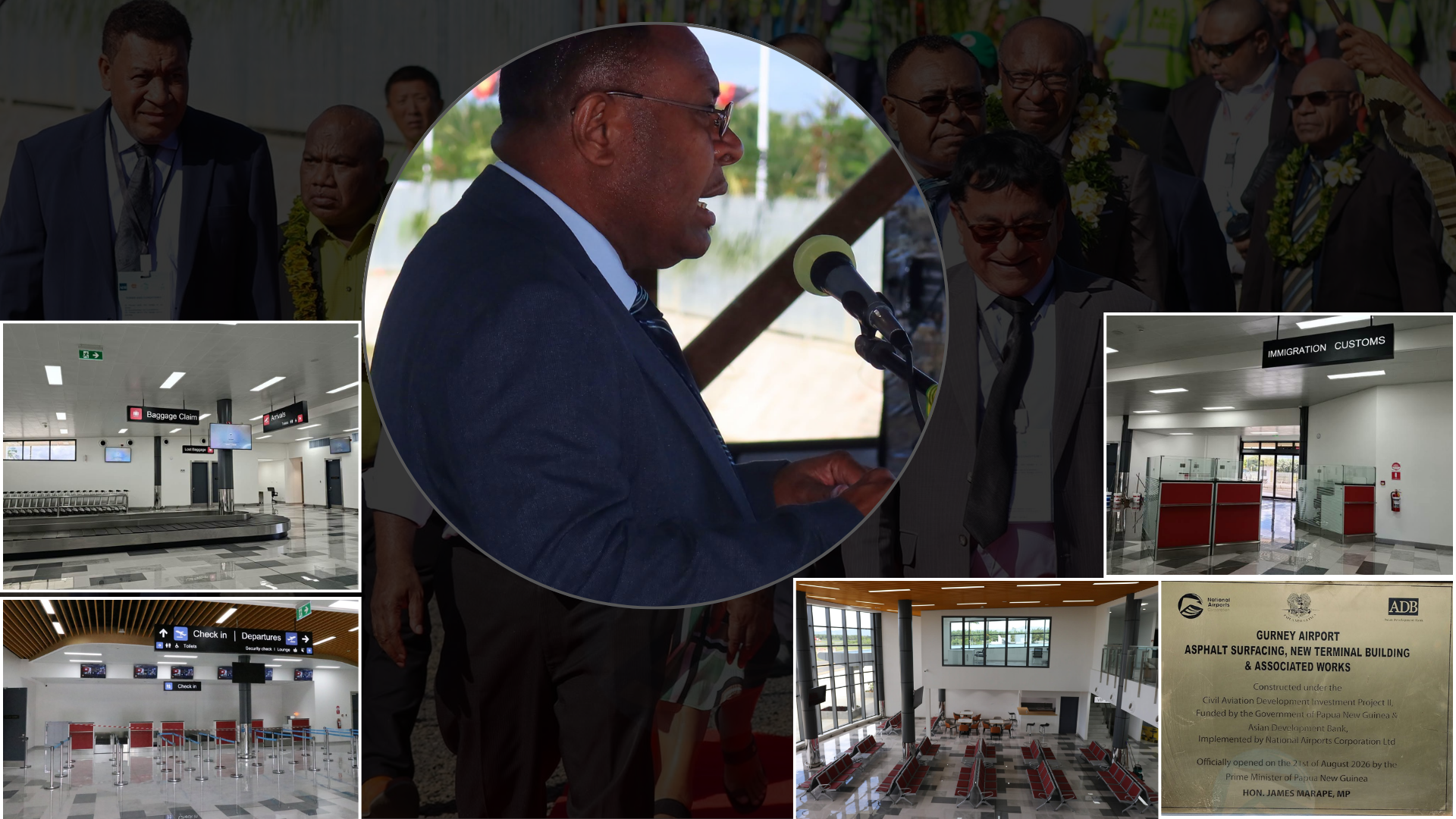
The Asian Development Bank (ADB) continues to work to improve infrastructure investment strategy in PNG while focusing on climate resilience, national connectivity and creating stronger conditions for private sector growth.Speaking during the recent 2nd Green Finance Summit, Mr. Soon Chan Hong, ADB Country Operations Head for PNG said infrastructure investments must now be designed with long-term climate risks in mind to ensure projects remain sustainable for decades. “Infrastructure is not easy to change once we make an investment,” he said. “Minimum 20 years, 30 years, maybe 50 years infrastructure will be there, so once we make a wrong choice at the start, at the design, then we are stuck.” Hong said ADB currently operates across eight sectors in PNG, including transport, energy, urban and rural development, finance, public sector management and social development. He explained that the bank’s work combines both “hard infrastructure” such as roads, airports and power systems, alongside “soft infrastructure” including policy support, governance reforms and technical assistance. According to Hong, ADB’s active project portfolio in PNG is valued at around US$1.5 billion across multiple sectors, with infrastructure projects making up the majority of investments. He said around 60 percent of ADB’s portfolio is concentrated in the transport sector, including roads and civil aviation projects, while another significant portion focuses on energy infrastructure. Among the major projects highlighted were the Highlands Highway Project, Civil Aviation Development programs and Hydropower Rehabilitation and Electricity Distribution upgrades. “When there is a road, when there is better air connectivity or reliable power supply, people get benefit because residential, commercial and other businesses can grow,” Hong said. “Basically, we provide the environment for private sector development.” Hong said climate resilience is now being integrated directly into project design and infrastructure planning because investments made today will shape the country’s future for decades. He said ADB is assessing climate risks during the planning stage to ensure infrastructure can withstand future environmental pressures and avoid locking PNG into vulnerable systems. “With regard to resilience and sustainable investment, clearly we look into the impact of climate change and then how our investment can lock in more sustainable development,” he said. ADB is also supporting road maintenance reforms and updated infrastructure standards aimed at improving climate resilience across transport networks. Hong said infrastructure development alone is not enough and must also be supported by stronger governance systems, policy reforms and private sector participation. The bank is also working with development partners including the World Bank, International Monetary Fund and other agencies to support policy reforms and improve the investment environment in PNG. ADB has also implemented technical assistance programs supporting private sector development with assistance from the Australian and New Zealand governments. Hong said partnerships remain critical because no single institution can deliver large-scale infrastructure transformation alone. “We have limited resources and limited number of people, so we have to be very efficient,” he said. “The national priorities clearly become one of the very important criteria when we discuss and design projects.” ADB says its long-term approach in PNG is focused on building resilient infrastructure systems that improve connectivity, strengthen economic growth and create better conditions for private sector investment across the country.
Published on June 1, 2026
AFD FUNDED RABAUL GREEN PORT PROJECT IN THE WORKS AFD FUNDED RABAUL GREEN PORT PROJECT IN THE WORKS
A redevelopment project valued at more than €80 million (over K400 million) is now in the works to transform Rabaul into what could become the Pacific Islands’ first green port.The project is being led by the Agence Française de Développement (AFD) commonly known as the French Development Agency.  in partnership with the European Union and the European Investment Bank as part of broader efforts to strengthen climate-resilient infrastructure and sustainable investment in PNG. Speaking during the recently held 2nd Green Finance Summit 2026, ADF Country Representative Mr. Benoît Chassatte said the redevelopment of the Port of Rabaul forms one of AFD’s major sustainable infrastructure priorities in the country. “The ambition is to transform the Port of Rabaul into the first green port in the pacific island countries,” Chassatte said. The project is expected to focus on climate resilience, environmental sustainability and modernization of port infrastructure in East New Britain. Chassatte said the Pacific region remains among the areas most vulnerable to climate change, particularly low-lying island communities threatened by rising sea levels. “These islands are extremely low-lying and vulnerable to sea-level rise. Entire communities could eventually disappear from the map if nothing is done. This is why adaptation is not optional. It is a priority,” he said. He said while there is already a large pipeline of green investment opportunities across the Pacific, investor confidence and financing risks continue to slow implementation. “At the end of the day, investors focus on profitability, return on investment, collateral and risk management,” Chassatte said while adding that money follows confidence. To help address those barriers, AFD has been working closely with the Bank of Papua New Guinea and the Green Finance Centre over the last two years to establish financing mechanisms designed to unlock green investment. One of the initiatives is the Green Refinancing Facility, which aims to provide concessional financing for green projects. Another is the Green Guarantee Facility, which was officially signed during the summit and is designed to reduce lending risks for banks financing environmentally sustainable projects. “We believe these two facilities can help unlock green investments in Papua New Guinea,” Chassatte said. He also praised the leadership shown by Bank of Papua New Guinea Governor Elizabeth Genia in driving the country’s green finance agenda. “Over the years, she has taken ownership of this initiative and continues to demonstrate strong commitment and passion for the issue,” he said. “That level of leadership is essential if these initiatives are going to succeed.” Beyond the Rabaul redevelopment project, AFD is also supporting renewable energy, biodiversity conservation and climate resilience programs across PNG. This includes a €20 million conservation initiative focused on forest and marine protection, renewable energy cooperation projects with PNG Power Ltd, and regional climate adaptation programs under the Kiwa Initiative. Chassatte said strong partnerships between governments, financial institutions, development agencies and the private sector would be critical to unlocking larger-scale sustainable investment opportunities across the country. “The motivation is there. The capacity is there. The momentum is there,” he said.
Published on June 1, 2026
WORLD BANK BACKS AGRICULTURE IN PNG WORLD BANK BACKS AGRICULTURE IN PNG
World Bank Division Director for Papua New Guinea (PNG) and Solomon Islands, Han Fraeters, says agriculture must become a key driver of PNG’s long-term economic transformation if the country hopes to achieve sustainable growth and middle-income status.Speaking during Panel One of the recently held 2026 Green Finance Summit, Fraeters said the World Bank is now integrating sustainability into every aspect of its operations as part of its global mission to create a world free of poverty on a liveable planet. “The phrase ‘liveable planet’ is now a core part of our mission,” Fraeters said. “That means every decision we make whether it involves financing a project, providing technical assistance, supporting a program, or building partnerships is now assessed through a sustainability lens.” Fraeters explained that the World Bank Group has changed the way it operates globally, bringing together the World Bank, IFC and MIGA into a more coordinated structure that combines public and private sector financing. He said governments alone can no longer finance development at the scale required, making private investment increasingly important. “One of the reasons for this shift is that public sector financing around the world is declining,” he stated. “As a result, we now recognize that public sector financing and private sector financing must work together.” Fraeters used agriculture as a key example of how this new model is being applied in PNG. He said agriculture remains one of the country’s most important sectors but continues to struggle with limited access to finance because banks view agricultural lending as high-risk. “However, we know that agriculture is essential to Papua New Guinea’s future development,” Fraeters said. “If Papua New Guinea is to become a middle-income country and achieve the goals outlined in its development plans, the agriculture sector must transform.” Fraeters said the World Bank Group is supporting projects such as the Agriculture Commercialization and Diversification Project to help smallholder farmers improve productivity, strengthen skills and produce higher-quality products. At the same time, the International Finance Corporation is working with agribusinesses, processors and commercial banks to improve access to financing and encourage greater private investment into agriculture. Fraeters said one of the major challenges remains the reluctance of banks to finance agricultural entrepreneurs. “To address this, we are developing risk-sharing facilities,” he explained. “Under these arrangements, international organizations like the World Bank Group would share part of the financial risk with commercial banks.” He said this would reduce pressure on banks and make agricultural lending more viable. Fraeters also stressed the importance of transport infrastructure, saying roads and transport systems are essential if agricultural products are to reach markets and ports efficiently. “This integrated model is what we call the ‘Agri-Connect Initiative,’” he said. Fraeters said partnerships with institutions such as the Asian Development Bank are also aimed at creating a more coordinated agriculture development platform for PNG. Beyond agriculture, Fraeters also highlighted the importance of economic governance, foreign exchange stability, banking reforms and green finance frameworks in strengthening PNG’s investment environment. “Papua New Guinea must become recognized as a place where it is possible and safe to do business,” he said. “That transformation requires coordinated work across governance, finance, agriculture, infrastructure, and sustainability.”
Published on June 1, 2026
IMF HIGHLIGHTS PNG’S GREEN FINANCE REFORMS IMF HIGHLIGHTS PNG’S GREEN FINANCE REFORMS
International Monetary Fund (IMF) Country Representative, Jayendu De, has said that Papua New Guinea’s green finance reforms are helping strengthen the country’s climate resilience and long-term economic sustainability under the IMF’s Resilience and Sustainability Facility (RSF) program.Speaking during the first session at the recently held 2026 Green Finance Summit, De explained that the RSF was established by the IMF in 2022 to help countries address challenges linked to climate change and pandemic preparedness. He said the facility provides long-term balance of payments support while also supporting reforms aimed at improving climate resilience and sustainability. “The RSF is designed around reform measures,” De said. “In Papua New Guinea, the RSF program began in December 2024 as a 24-month reform program.” De explained that PNG’s RSF program is being implemented alongside the IMF’s Extended Credit Facility and Extended Fund Facility programs, which focus on broader macroeconomic and balance of payments support. He added that the country is currently progressing through the third review stage of the RSF program, with a fourth review still ahead. According to De, the RSF program includes ten reform measures grouped under four main pillars: disaster risk management, climate-sensitive public investment management, green finance, adaptation policy. He said the reforms are also closely linked to the United Nations Sustainable Development Goals (SDGs). “When we examined the RSF reform measures alongside the SDGs, we found strong linkages between them,” he stated. Among the SDGs connected to the reforms are affordable and sustainable energy, resilient infrastructure, sustainable cities and communities, climate action, and global partnerships. De highlighted several reforms already underway in the country, including the establishment of a public website providing hazard mapping data to improve disaster preparedness and climate resilience. Another key reform measure being developed is the proposed Disaster Management Act aimed at strengthening national disaster response systems. He also highlighted the importance of green taxonomy reforms currently being implemented through the Bank of Papua New Guinea. De explained that green taxonomy provides a framework that helps financial institutions and investors identify which investments qualify as environmentally sustainable. “This is important because financial institutions and investors need clear standards to determine which projects support climate and sustainability objectives,” he said. Another major reform initiative focuses on improving climate-related data collection through cooperation between the Bank of Papua New Guinea and Treasury. The initiative aims to establish a centralized national database containing information on climate mitigation and adaptation projects across the country.  The database is expected to improve climate investment planning, transparency, and access to sustainable financing. Globally, around 28 countries have already accessed the IMF’s Resilience and Sustainability Facility, including Bangladesh and Papua New Guinea within the Indo-Pacific region. De said PNG’s participation in the RSF reflects growing international recognition of the country’s commitment to climate resilience and sustainable economic reform.
Published on June 1, 2026
PNG BANKS PREPARE TO INTRODUCE GREEN LOAN STANDARDS PNG BANKS PREPARE TO INTRODUCE GREEN LOAN STANDARDS
The country’s banking sector is preparing to introduce new lending standards that encourage environmentally responsible projects and help banks better manage environmental and social risks.With that there was a training workshop organised by the Bank of Papua New Guinea (BPNG) through its Green Finance Centre in partnership with the International Finance Corporation (IFC). The workshop brought together regulators, commercial banks and representatives from central banks across the Pacific to learn how the new green finance rules will work. The training covered guidelines that will help banks identify and support environmentally friendly projects, classify green loans, and assess environmental and social risks before approving financing. Bank of Papua New Guinea Governor Elizabeth Genia said the workshop was an important step in helping financial institutions understand and apply the country's new green finance policies. "Through these engagements, we are not only sharing knowledge and international best practices but also advancing a collective call to action towards greening Papua New Guinea's financial system," Genia said. She said the new measures will help banks put green finance policies into practice and strengthen responsible lending across the country. The workshop is part of wider efforts to promote sustainable finance, improve how environmental and social risks are managed, and support PNG's long term economic growth. Representatives from the central banks of Fiji, Solomon Islands, Vanuatu, Samoa and Tonga also attended and shared experiences on green finance and risk management. IFC Environmental and Social Sustainability Manager for East Asia and the Pacific, Deniz Baharoglu, said PNG's new environmental and social risk management guidelines are a major step forward for sustainable finance. "This achievement reflects BPNG's strong leadership and valued partnership with IFC," Baharoglu said. "Continued capacity building for financial institutions will be critical to translate regulatory guidance into practical risk management and financing decisions that support sustainable private sector development." The workshop also highlighted PNG's progress since joining the Sustainable Banking and Finance Network in April 2024. Global Coordinator Rong Zhang said PNG has made significant progress in building the foundations for sustainable finance within a relatively short period. The workshop concluded with discussions focused on helping banks implement the new standards in line with international best practices as PNG continues working towards a more sustainable and climate resilient economy. For ordinary Papua New Guineans, the new standards are designed to encourage banks to support environmentally friendly projects while making sure lending decisions consider environmental and social impacts, helping build a stronger and more resilient economy for the future.
Published on May 31, 2026
AUSTRALIA BACKS CLIMATE RESILIENCE & PRIVATE SECTOR GROWTH IN PNG AUSTRALIA BACKS CLIMATE RESILIENCE & PRIVATE SECTOR GROWTH IN PNG
Australia is expanding its support for climate resilience, renewable energy and sustainable finance in Papua New Guinea (PNG) through infrastructure investment, climate financing reforms and private sector partnerships.Speaking during the 2nd Green Finance Summit 3026, Dr. Cate Rogers Minister Counsellor for Economics, Health and Infrastructure at the Australian High Commission in Port Moresby, said climate change is now being integrated across nearly all Australian-supported development programs in PNG. “We cannot run away from climate change, we’ve got to tackle it in everything that we do,” Dr Rogers said. “We actually set ourselves a target so that 80 percent of our programs by 2028 and 2029 have to have a climate objective, and that was really deliberate because we think it’s really, really important, and we’re already seeing the benefits of that.” Dr Rogers said climate resilience is now being embedded into infrastructure planning, financing and project delivery through Australia’s Economic and Social Infrastructure Program, one of Australia’s largest grant-based infrastructure programs in PNG. She said the program has developed a Resilient Infrastructure Guide aimed at ensuring climate resilience is integrated into infrastructure funding, planning and delivery. “Apart from integrating and incorporating climate resilience into our designs, we’ve had Economic and Social Infrastructure Program (ESIP), develop a Resilient Infrastructure Guide to embed climate resilience into all infrastructure funding, planning and delivery,” she said. Dr Rogers acknowledged that access to international climate finance remains a major challenge for developing countries, including PNG, but said Australia continues to support PNG in strengthening its climate financing systems behind the scenes. She highlighted Australia’s support under reforms connected to the IMF’s Resilience and Sustainability Facility program, including hazard mapping reforms, modernization of disaster risk regulations and climate-focused public investment management reforms. “Through our economic governance program, we have developed guidelines to ensure that public investment management regulations take into account climate risks,” Dr Rogers said. “We’ve worked with BPNG Treasury to design fuel excise changes to align tax and carbon, and we also did training at Treasury and with other agencies on integrating climate risk into project appraisals.” She described the work as “partnership in action.” Australia has also supported the establishment of the Green Finance Centre through Climate FIRST and the Climate Change and Development Authority. Work is also underway to support the development of a centralized database for climate projects aimed at improving coordination, transparency and climate investment planning across the country. Dr Rogers said Australia strongly supports partnerships between governments, development agencies, financial institutions and the private sector to strengthen PNG’s climate finance systems. Australia’s broader infrastructure financing support is also being delivered through the Australian Infrastructure Financing Facility for the Pacific, which provides grants, loans and blended financing for major infrastructure projects across the Pacific. Dr Rogers said AIFFP has supported more than AUD300 million in electrification-related projects in PNG, including the Laitim Hauslain initiative and the PNG Electrification Partnership. Australia is also supporting refurbishment works at the Rouna and Ramu One hydropower stations. “We’ve already restored around 50 megawatts to these stations, and we have an active proposal to restore Ramu power station to its 75-megawatt capacity,” she said. “In my view, it’s always better to make sure that you utilize and look after your existing hydro before building new hydro if you can avoid it.” Australia has also invested around AUD20 million into off-grid renewable energy projects in remote communities across PNG. More than 55,000 solar home kits and community energy systems have already been installed in rural communities, improving electricity access for homes, schools and community facilities. “It’s really powerful going to these locations and seeing the transformational impact of schools having lighting and communities having lighting in the evening,” Dr Rogers said. She also stressed the importance of ensuring donor funding supports rather than displaces local renewable energy businesses. “We’ve been very keen to ensure that we don’t displace the private sector with our grant-based aid, that we draw very heavily on local companies and local solutions, ensuring that we’re crowding in rather than crowding out,” she stated. Dr Rogers also highlighted the Renew Pacific program, which uses grant funding to leverage co-investment from private companies and non-government organizations for renewable energy and climate projects. She said the latest PNG funding round received more than 100 applications during March 2025, reflecting strong interest from businesses seeking support for renewable energy and climate investment projects. According to Dr Rogers, attracting long-term private investment will also depend on maintaining stable regulations and predictable policies. She added that creating a stable investment environment will be critical for PNG to attract future climate finance and private sector investment. “Private sector investors like to know that the ground won’t change them after they’ve made their investment decisions,” she said. “It’s not just about the financing; it’s also about the broader enabling environment.”
Published on May 30, 2026
POMALEU: PNG SHIFTS FROM GREEN FINANCE POLICY TO PRACTICAL IMPLEMENTATION POMALEU: PNG SHIFTS FROM GREEN FINANCE POLICY TO PRACTICAL IMPLEMENTATION
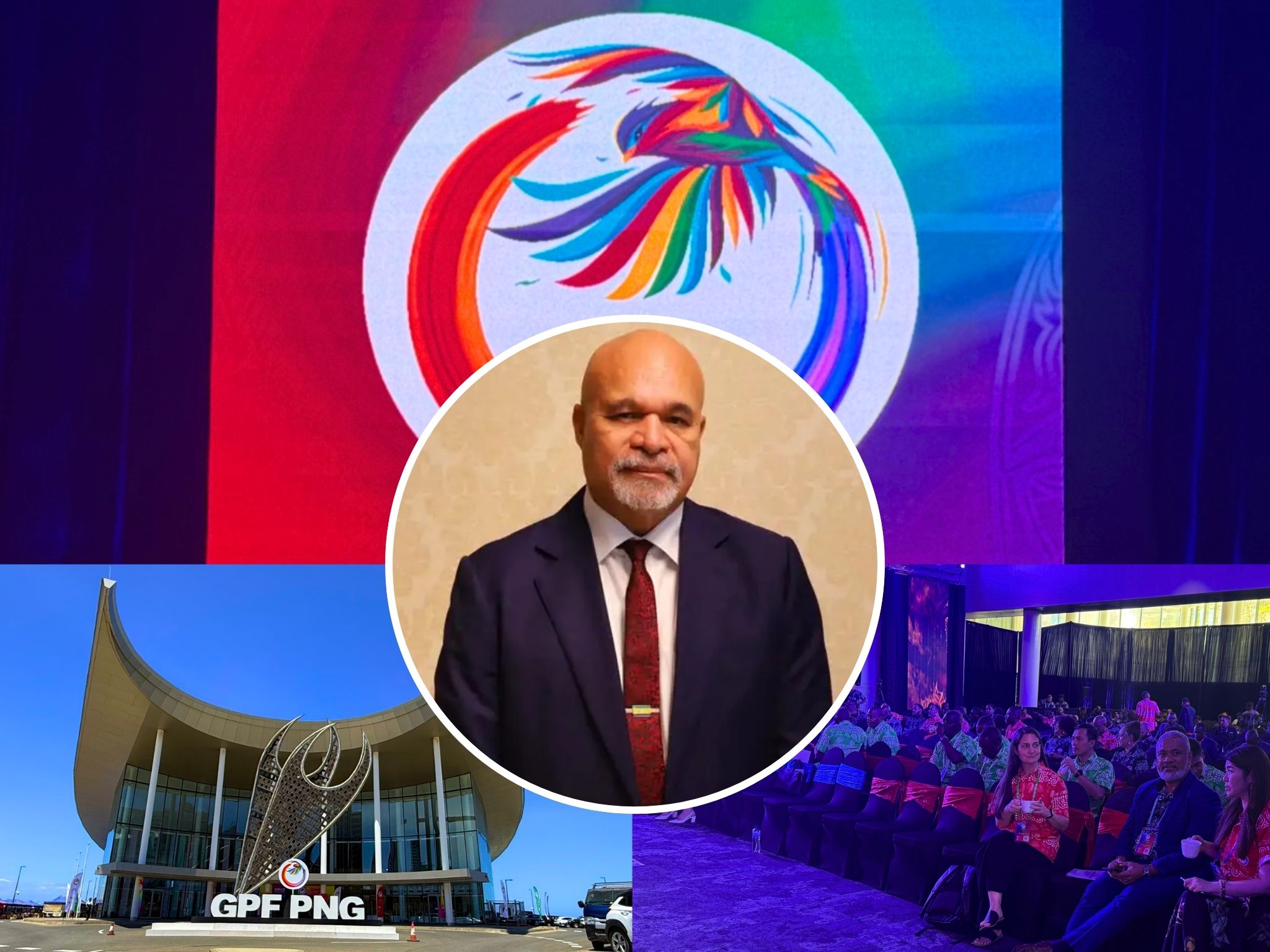
Papua New Guinea is officially transitioning from green finance policy discussions into practical, on-the-ground implementation, according to Chief Secretary to Government Ivan Pomaleu. Speaking at the opening of the 2nd Green Finance Summit at the Hilton Hotel in Port Moresby on May 27, Pomaleu emphasized that the country is aggressively strengthening its climate-resilient and sustainable development agenda. “Climate change is no longer a future challenge, it is already impacting our economies, our communities, our agriculture system, our coastlines and our livelihoods,” Pomaleu said. “As a small island developing state, Papua New Guinea understands these challenges very deeply.” Pomaleu said PNG also recognizes climate action as an opportunity to build a stronger and more inclusive economy. “At the same time we also recognize that climate action presents an opportunity, an opportunity to build a stronger, more resilient and more inclusive economy for our people.” He said the government remains committed to ensuring climate resilience, economic growth and sustainable development work together. In addition, he highlighted the progress made since the launch of PNG’s Inclusive Green Finance Policy in 2023 and the establishment of the Green Finance Centre in 2024. According to Pomaleu, the country is now seeing major progress in operationalizing green finance reforms through the Bank of Papua New Guinea and the Green Finance Centre. He said initiatives such as the Inclusive Green Finance Taxonomy Version 2.0, National Centralized Climate Investment Database, Environmental and Social Risk Management Guidelines, Green Asset Classification Reporting Standards and the Green Finance Academy, demonstrate that PNG is moving towards practical implementation at a fast pace. “These reforms are critical because sustainable finance is not simply about climate discussions.” “It is about jobs, it is about agriculture, it is about energy access, it is about infrastructure, it is about financial inclusion, and most importantly, it is about improving the lives of Papua New Guineans.” Pomaleu also stressed the importance of attracting sustainable international investment into PNG, saying the country can no longer rely entirely on public funding to meet its development goals. “We must also mobilize private capital into renewable energy, sustainable agriculture, clean transport, resilient infrastructure and green SMEs.” Furthermore, he commended commercial banks, superannuation funds, development partners and private sector organizations already integrating sustainable finance and climate considerations into lending and investment decisions. He also acknowledged support from international partners including the International Monetary Fund, World Bank, Asian Development Bank and the Alliance for Financial Inclusion for supporting PNG’s sustainable finance reforms. Pomaleu concluded that the summit also reflects PNG’s growing regional leadership in inclusive green finance and sustainable financial sector reforms across the Pacific.
Published on May 29, 2026