Posts by Tasminnie ISIMELI | PNG Haus Bung
POSTS BY AUTHOR
Tasminnie ISIMELI
Author

Tasminnie ISIMELI

PARKOP URGES PNG TO PROTECT ITS NATURAL HERITAGE
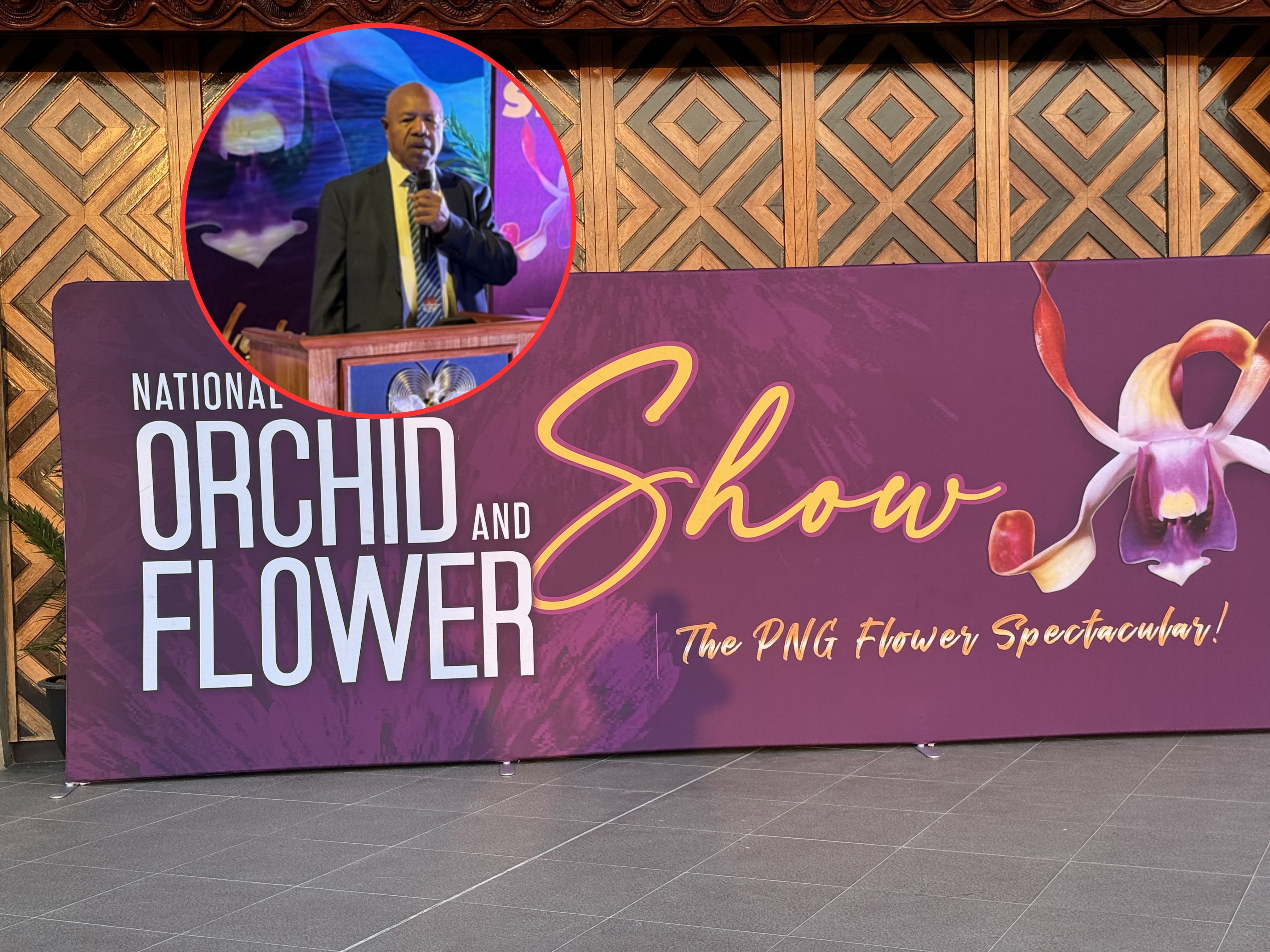
NCD Governor Powes Parkop is urging Papua New Guineans to do more to protect the country’s rich biodiversity as PNG enters its 51st year of independence.Parkop made the call while officially opening the 2026 National Orchid and Flower Show, saying the event provides an opportunity to appreciate not only the country’s orchids and flowers but its wider natural heritage. He said Papua New Guinea’s rainforests, lowlands, swamps, islands and atolls have sustained generations of people for thousands of years.According to Parkop, these natural environments are part of a proven system that has supported communities for generations and must now be protected for the future and that the responsibility is not only to respect PNG’s heritage but to ensure its natural resources are maintained and passed on to the next generation.“We need to value and protect and maintain” the natural environment, Parkop said.Parkop described PNG’s biodiversity as a national treasure inherited from the country’s ancestors.Stating more that the current generation has a responsibility to protect that inheritance while recognising its importance to the rest of the world.The Governor aso added tha the National Orchid and Flower Show helps remind Papua New Guineans of the natural beauty that makes the country unique.He said the country’s 51st Independence anniversary should also be a time for reflection and a challenge to do better in the years ahead.Parkop said PNG has an opportunity to build on its achievements over the past 50 years and address the challenges that have held the country back. He further encouraged Papua New Guineans to appreciate the country’s culture, arts, flora and fauna as part of its national identity.He also linked the need for greater environmental protection to the country’s future, saying natural resources must be preserved so that future generations can continue to benefit from them.Parkop said the celebration of independence should therefore go beyond culture and entertainment and include greater appreciation of the natural environment that has sustained Papua New Guineans for generations.He urged the public to support conservation and appreciate the orchids, flowers, artwork and other cultural displays featured at the National Orchid and Flower Show.
Published on September 12, 2026
PARKOP CALLS FOR PNG ORCHIDS TO GO GLOBAL
NCD Governor Powes Parkop has challenged the PNG Orchid Society to take Papua New Guinea’s orchid and flower industry to the international stage. Speaking at the opening of the 2026 National Orchid and Flower Show, Parkop said the annual event has reached a higher standard and should now be taken beyond Papua New Guinea. He called on the PNG Orchid Society to explore partnerships with tourism organisations and international stakeholders to showcase the country’s orchids, flora, fauna and biodiversity to the world. Parkop suggested taking the show to countries including Singapore, Thailand, Japan and the United States. He said international exposure would not only promote PNG’s natural beauty but could also help generate greater support for protecting the country’s natural resources. “Let’s bring the beauty of Papua New Guinea to the rest of the world,” Parkop said. He said Papua New Guinea’s rainforests, orchids, flowers and diverse wildlife are valuable resources that have been passed down through generations. Parkop said while these resources belong to Papua New Guinea, they also have importance for the wider world. He urged the Orchid Society and other stakeholders to build on the success of the annual show and look at new ways of promoting the country’s natural heritage. Parkop also acknowledged Foreign Affairs Minister and PNG Orchid Society President Justin Tkatchenko for his continued commitment to promoting PNG’s orchids, flora and fauna, highlighting Tkatchenko’s passion for the sector still continues despite his political responsibilities. Parkop said greater international promotion of PNG’s natural environment could also contribute to conservation efforts by increasing awareness of the country’s unique biodiversity. He encouraged visitors to support the exhibitors by purchasing orchids, artwork and other products displayed at the show. Parkop officially declared the 2026 National Orchid and Flower Show opened.
Published on September 12, 2026
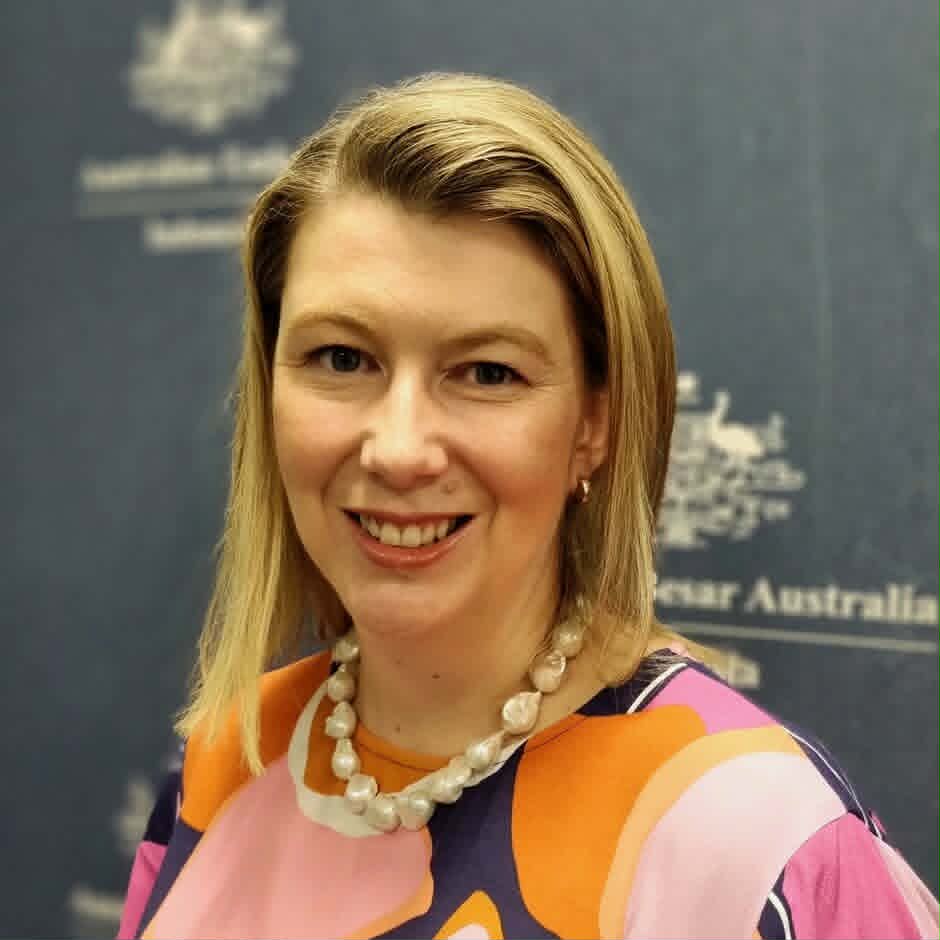
PNG MUST SHIFT FROM REACTIVE DISASTER RESPONSE TO PREPAREDNESS
Papua New Guinea (PNG) must move away from a predominantly reactive approach to disasters and invest more heavily in preparedness, early action and risk reduction.This is according to Minister for Health and National Emergency Services Dr Billy Joseph, who said PNG has become accustomed to responding once disasters occur, but responses can be delayed or inadequate when communities and authorities have not prepared beforehand.He said disaster management should instead be treated as a continuous cycle involving awareness, preparedness, response and recovery.“Response is important, but that response is done properly and adequately when we are aware and when we prepare.”Dr Joseph said preparedness involves far more than having money available once an emergency strikes.It requires trained personnel, logistics, warehouses for relief supplies, communication systems, emergency plans and clearly established procedures that can be activated when needed.He used his experience as a doctor to explain the importance of detailed emergency planning.He referred to a Medical Emergency Response Plan, which establishes who should be contacted, what procedures should be followed and who has authority to activate a response.Dr Joseph said this level of detailed planning does not yet exist consistently across PNG’s provincial and national disaster-management structures.“That kind of level of detailed preparedness doesn't exist in our provincial disaster management centers.”He said international partners, including Australia, the United States and New Zealand, are helping PNG strengthen its preparedness infrastructure.This includes support for warehouses and a new national facility intended to bring key emergency-response functions together.Dr Joseph said the National Government is also seeking to address fragmentation across emergency services by creating a more coordinated system.He said the National Security Council has decided not to establish a separate National Emergency Management Authority, but instead to strengthencoordination across existing emergency functions.The Minister said dedicated disaster personnel are needed at national, provincial and district levels because disasters can occur at any time.“Disaster can happen any time. And when we are ready or not, it doesn't care.”The need for stronger preparedness has been highlighted by recent emergencies, including Cyclone Maila, El Niño and landslides.Dr Joseph said disasters are first experienced at the community, district and provincial levels, making strong local systems critical to an effective national response.The Provincial Disaster Centre Institutional Capacity Assessment is expected to help identify where those systems need to be strengthened.Dr Joseph said the assessment should lead to a practical roadmap covering immediate, medium- and long-term priorities.He is also calling for the findings to be used in government planning and budgeting rather than being left as a report.“The assessment gives us the evidence. Our responsibility now is to use that evidence to help our communities.”He said the country must ensure that disaster-management plans are supported by capable people, financing, information systems, leadership and established procedures.The Minister said PNG’s objective should be a disaster-management system capable of anticipating risks, understanding community needs and acting before emergencies escalate.That shift, he said, will be critical as PNG continues to face earthquakes, volcanic eruptions, tsunamis, floods, landslides, droughts, severe weather events, cyclones and other emergencies.“A stronger disaster management system that can better anticipate risks, understand needs” is the objective for the country.
Published on September 7, 2026
IOM-LED EL NIÑO ASSESSMENT TO IDENTIFY COMMUNITIES MOST IN NEED
A new multi-agency assessment is being rolled out across Papua New Guinea to establish how El Niño and its impacts are affecting communities and where assistance is most urgently required.Minister for Health and National Emergency Services Dr. Billy Joseph says the assessment, led by the International Organization for Migration in partnership with the National Disaster Centre, is aimed at ensuring government responses are based on evidence gathered from affected communities.The assessment comes as PNG continues to deal with the impacts and risks associated with El Niño, including effects on communities, livelihoods and essential services.Dr. Joseph says the exercise will collect information across several key sectors, including water and sanitation, food security and livelihoods, health, education, shelter, displacement and protection.“It will collect information across key sectors, including water and sanitation, food security and livelihoods, health, education, shelter, displacement and protection, so that decisions on preparedness and responses are based on evidence from affected communities across the country.”The Minister says the assessment is particularly important because it is not simply intended to measure the current effects of El Niño.It is also designed to strengthen the ability of provincial and district authorities to conduct assessments, analyse needs, report emerging risks, and contribute to future disaster responses.Dr . Joseph says provincial and district authorities will have a central role in collecting data and coordinating the assessment process.He is urging provincial administrators and disaster centres to give the rollout their full support and ensure the information collected is timely, reliable and representative of conditions on the ground.The information will then help governments identify areas experiencing the greatest levels of need and determine where limited resources should be directed.“The results should help governments identify priority locations that demand a scale and severity of needs and ensure that limited resources are directed to communities that require assistance the most.”Dr. Joseph says provincial El Niño assessment reports will also provide the National Government and provinces with information that can support preparedness and response decisions.The International Organization for Migration is being recognised for its technical support, alongside the governments of the United States, Australia and New Zealand and other development and humanitarian partners.Dr. Joseph says IOM’s involvement demonstrates the organisation’s broader role within PNG’s disaster-management framework.He recalled the recent Cyclone Maila response, saying IOM personnel were already present when he and the Prime Minister travelled to the area where the cyclone’s eye had remained for several days.“When we went there, IOM was already there.”He says the presence of IOM and other international partners during the response demonstrated the practical value of partnerships during emergencies.However, Dr. Joseph stressed that disaster assessments must ultimately translate into action.He says the government needs to use the evidence collected to determine where communities need greater support and where investment in disaster preparedness should be prioritised.The El Niño assessment is therefore being positioned not only as an emergency response tool, but also as part of a longer-term effort to strengthen provincial and district disaster-management capabilities.
Published on September 5, 2026
PROVINCIAL DISASTER CENTRES FACE STAFFING, FUNDING AND EQUIPMENT GAPS
A nationwide assessment has identified significant differences in the capacity of Papua New Guinea’s Provincial Disaster Centres, with some provinces continuing to face major challenges in staffing, funding, infrastructure and operational resources.The Provincial Disaster Centre Institutional Capacity Assessment covers all provinces and provides the national government with what Minister for Health and National Emergency Services Dr. Billy Joseph describes as a national picture of the strengths, gaps, and priorities of provincial disaster-management systems.He said that some of the provinces have established systems, experienced personnel, and strong relationships with provincial administrations and development partners.However, others continue to operate under significant constraints.“Others continue to face significant constraints in staffing, funding, office infrastructure, transportation, communication, information management, emergency planning and of course, operational resources.”The assessment is intended to establish a consistent national baseline for understanding those differences.Dr. Joseph said that the country has previously lacked a common framework that could be used to compare the capacity of Provincial Disaster Centres and identify where support is most urgently needed.The assessment now provides individual provincial findings that can be used by provincial administrations to determine where improvements and investment should be prioritized.The Minister stated that this includes looking at staffing levels, operational budgets, offices and emergency operations centres, transportation, and communication systems.Preparedness and contingency planning, information management, early-warning systems, standard operating procedures, and the training and professional development of disaster personnel are also highlighted as areas requiring attention.Dr. Joseph emphasized that the findings should not simply be treated as a list of weaknesses. Instead, he acknowledged the dedication of the provincial disaster personnel who continue to respond to emergencies despite operating with limited resources.“It also recognizes the commitment and resourcefulness of our provincial disaster offices and the provincial administrators and the offices, many of whom continue to respond to emergencies under very difficult conditions and with limited resources.”He further added that the assessment gives government and its development partners an opportunity to determine where investment will have the greatest impact.A practical capacity-development roadmap is expected to follow the assessment, identifying immediate priorities as well as medium and long-term investments.Dr. Joseph also urged the development partners to use the assessment when deciding where future disaster-risk-management support should be directed, while cautioning that providing equipment alone will not solve the capacity problems that the provincial disaster centres face.“Equipment is important, but equipment alone will not create an effective disaster management system,” he said, explaining that effective disaster management also requires capable personnel, clear responsibilities, coordination mechanisms, adequate financing, reliable information systems, leadership, and procedures that can be activated before, during, and after an emergency.The assessment therefore provides an opportunity for PNG to move beyond isolated projects and towards sustained investment in provincial disaster-management institutions.Dr. Joseph concluded that the ultimate measure of the assessment will be whether its findings are turned into planning, budgeting, training, and practical improvements at the provincial level.
Published on August 31, 2026
PROVINCIAL AUTHORITIES REMINDED OF THEIR LEGAL DISASTER RESPONSIBILITIES
Papua New Guinea’s provincial administrations have been reminded that they already have a legal responsibility to lead disaster management in their respective provinces under the National Disaster Act of 1984.Speaking at the presentation of the Provincial Disaster Centre Institutional Capacity Assessment, Minister for Health and National Emergency Services Dr. Billy Joseph said the responsibility of provincial authorities is clearly established in law.He said the Act provides for a Provincial Disaster Committee in every province, with the Provincial Administrator serving as its chairman.The Minister said provincial disaster management should therefore not be treated as a new responsibility arising from recent government decisions.“It is not a new creature,” Dr. Joseph said.He said the provincial disaster committees have existed under the legislation for decades and were established specifically to ensure disaster response is managed as close as possible to affected communities.“You have always been existing since 1994 pursuant to this Act.”According to Dr. Joseph, the National Disaster Centre is not intended to take over the responsibilities of provincial authorities, but to coordinate support to them.“At the National Disaster Center, we are supposed to coordinate all support to you.”He said information about disasters must begin at the community and district levels, with provincial authorities responsible for collecting and reporting information before assistance is coordinated nationally.Dr Joseph also stated that the decentralized structure means provinces must take greater ownership of their disaster management responsibilities.“I think by this Act, the management of disaster is now a decentralized function.”He also called on provincial governments to ensure disaster management is reflected in their planning, budgeting and administrative structures.He said provincial authorities need to be aware that they are among the first responders when disasters occur.“The first respondents in any disaster, whether it be a serious issue like El Nino, or Cyclone Maila, or landslide in Mulitaka or any disaster, the Provincial Disaster Management Committee led by the Provincial Administrator, you must be aware, it is your job to be ready.”He acknowledged that provinces face different challenges, however, stronger local capacity is essential because disasters are first experienced at the community and provincial levels.The Minister’s comments come as government, and its development partners work to strengthen provincial disaster management systems across the country.The first-ever national institutional capacity assessment covers all 22 provinces and is intended to identify areas where provincial systems require greater support.
Published on August 31, 2026
UN URGES GREATER INVESTMENT IN PNG’S DISASTER RESPONSE CAPACITY
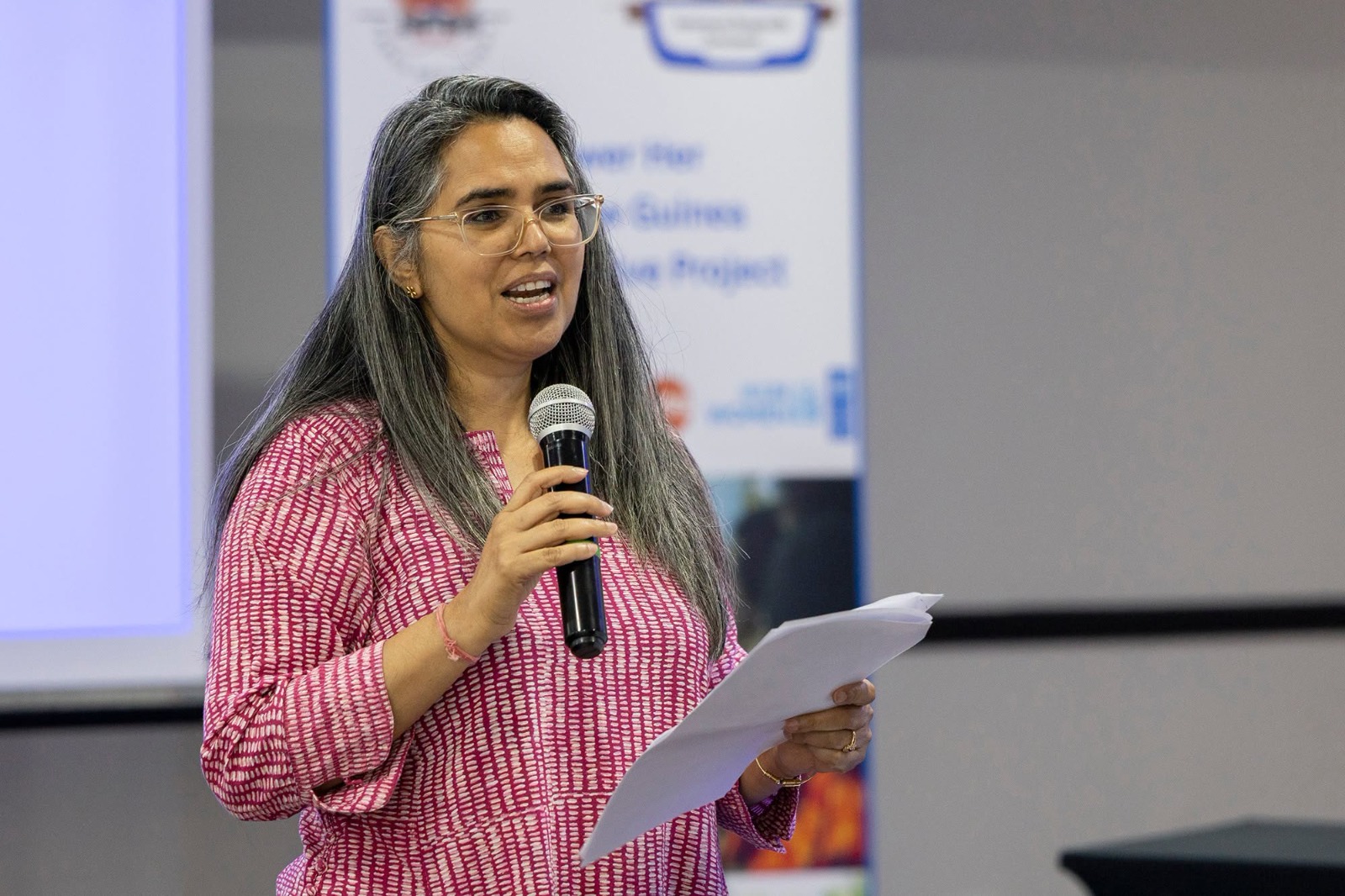
UN Resident Coordinator in Papua New Guinea Shalini Bahuguna has called for stronger provincial disaster management institutions and greater investment in local capacity to help the country better prepare for and respond to disasters.Speaking at the recent launch of the Provincial Disaster Office Institutional Capacity Assessment Report, Bahuguna emphasized that Provincial Disaster Officers are at the frontline of disaster response, playing a critical role in linking national authorities with communities.The assessment highlights several critical challenges facing Provincial Disaster Offices, ranging from limited staffing, inadequate infrastructure, and equipment shortages to a lack of technical expertise, weak information management systems, and severe resource constraints.Despite these obstacles, Bahuguna acknowledged the deep commitment of provincial officers who continue working around the clock during disaster responses.Stressing that strengthening local capacity must remain a national priority, Bahuguna called for greater investment in institutions rather than solely relying on physical infrastructure such as vehicles, satellite equipment, warehouses, and buildings.Effective disaster management, she argued, equally depends on skilled personnel, clear policies, strong leadership, reliable information systems, and seamless coordination.“Investing in strong institutions means investing in a PNG of today and tomorrow, to stand in its 50th year of independence in an independent and self-reliant way.”Bahuguna urged the government, humanitarian organizations, financial institutions, and development partners to align their support around shared priorities and direct resources to the areas of greatest need.She noted that the immediate focus must shift from assessment to action through strong partnerships, pointing to the response to Cyclone Maila in East New Britain as a prime example.In that instance, strong communication enabled local-level officials to quickly relay critical information to Provincial Disaster Offices, allowing targeted assistance to be mobilized as soon as blocked access roads were cleared.To sustain this progress, the UN Resident Coordinator presented three key requests to the Government of Papua New Guinea.She called for continued progress on reviewing and strengthening the Emergency Management Act so the legislation can be brought before Parliament.She urged the development of stronger, interconnected health and emergency response systems deeply linked to local communities.Lastly, she welcomed the Government's commitment to a coordinated response plan that prioritizes reaching vulnerable populations while building long-term resilience.Bahuguna reaffirmed the United Nations’ ongoing commitment to supporting the Government, the National Disaster Centre, provincial administrations, and development partners in building disaster preparedness across the nation.“The way forward is clear,” she said, stressing the importance of continued partnership to build resilient institutions and communities across PNG.
Published on August 31, 2026
AUSTRALIA COMMITS TO STRENGTHENING PNG’S DISASTER RESPONSE
Australia remains committed in helping Papua New Guinea strengthen its disaster preparedness and response systems, particularly at the provincial level.Australian High Commission Minister-Counsellor Madeleine Moss made the commitment during the launch of the Provincial Disaster Office Institutional Capacity Report.Moss said the report provides an important opportunity for the PNG Government and its partners to identify weaknesses, address capacity gaps and improve disaster preparedness across the country.She stressed that the assessment should not be viewed as a measure of performance, but as a practical tool to guide future improvements.“It is not a scorecard, it is a tool,” she said.Moss acknowledged the work of Health and National Emergency Services Minister Dr. Billy Joseph, the National Disaster Centre, provincial disaster offices and international partners, involved in strengthening PNG’s disaster management systems.She said Australia, together with the United States, the International Organization for Migration, (IOM) and other partners, would support PNG as it considers and implements the recommendations of the report.The Minister-Counsellor also highlighted Australia’s broader humanitarian partnership with PNG, including assistance in strengthening early warning systems through cooperation with the National Weather Service, the Minerals Resources Authority and Geoscience Australia.She said an enhanced humanitarian assistance and disaster relief package announced during the 2025 Australia-PNG Ministerial Forum would focus on infrastructure, coordination and partnerships.The package also includes professional exchanges between Australia’s National Emergency Management Agency and PNG’s National Disaster Centre.Moss said Australia’s Australia Assists program continues to provide technical support by deploying specialists to disaster management offices when required.She noted that Australian experts are currently supporting the National Disaster Centre and the Bougainville Disaster Office.During recent cyclone responses, she said Australia also deployed additional specialists, including an Australian Defence Force liaison officer who worked alongside the PNG Defence Force to support coordination and relief operations.Australia, together with the United States, New Zealand and the United Kingdom, also assisted in delivering food and other relief supplies to disaster-affected communities.Moss said strengthening disaster preparedness was particularly important as PNG and other Pacific countries continue to experience challenges linked to El Niño conditions.She said Australia would continue to stand ready to support the PNG Government and disaster authorities when emergencies occur.“PNG is a great, resilient country, but even the most resilient communities can be challenged during these times,” Moss said.Moreover, she stated that disaster preparedness must ensure that the effects of emergencies are reduced, particularly for vulnerable people relying on schools, hospitals and community services. Moss also reflected on her recent visit to Southern Highlands Province, where she witnessed the resilience of local communities and Australia’s assistance following an earthquake.She recalled being told by a school headmaster that the community had raised funds to support Australians affected by the devastating 2019 bushfires.She also said that the gesture highlighted the strong and reciprocal relationship between PNG and Australia.“Australia helps PNG and PNG helps Australia,” she said.She further stated that this partnership had become even more significant following the signing of the Mutual Defence Treaty between the two countries last year.Australia would continue working with PNG and other development partners to strengthen disaster management capacity and help communities better prepare for future emergencies.In concluding, she expressed confidence that through stronger coordination and partnerships, PNG would be better positioned to respond to future disasters.
Published on August 30, 2026
ABUS NA KUMU PLEDGES K20, 500 FUNDING SUPPORT TO PNG TEAMS HEADING TO CAIRNS
Community organization Abus Na Kumu is supporting three Papua New Guinean sporting teams preparing to compete in Cairns, Australia, with a combined contribution of K20, 500.The support is being provided through its Friends of Abus Na Kumu community outreach initiative, which aims to give back to communities and support local sporting teams.As part of this effort, the organization has donated K5, 000 each to the Matupit Diggers, Newtown Chiefs, and KA Brothers, totaling K15, 000 in direct financial support.The three teams are preparing for the Cairns tournament, scheduled for October 29th to 31st.In addition to the direct donations, Abus Na Kumu also successfully bid K5, 500 for signed Queensland Reds memorabilia, further increasing its overall support to K20, 500.Owner of Abus Na Kumu, Richard Mark, highlighted that community support remains a core part of the organization’s commitment to making a positive contribution to Papua New Guineans.“Our community is important and we try to do our part to contribute positively towards our people.”“It is part of us paying forward with the blessings others have been kind enough to share with us.”Mr. Mark explained that the initiative reflects the organisation’s belief that success and blessings should also be shared with others.The funding will directly assist the three teams with their preparations and participation in the Cairns tournament, while highlighting the role of community and private-sector support in helping PNG sporting teams compete overseas.Wishing the Matupit Diggers, Newtown Chiefs, and KA Brothers the best of luck in the tournament, Abus Na Kumu reiterated the guiding principle behind its outreach effort:“Pasin Stap. We must share our blessing and pay it forward.”
Published on August 26, 2026
DEFENDING CHAMPS IGAM CROCS TARGET PNGDF COMMANDERS CUP
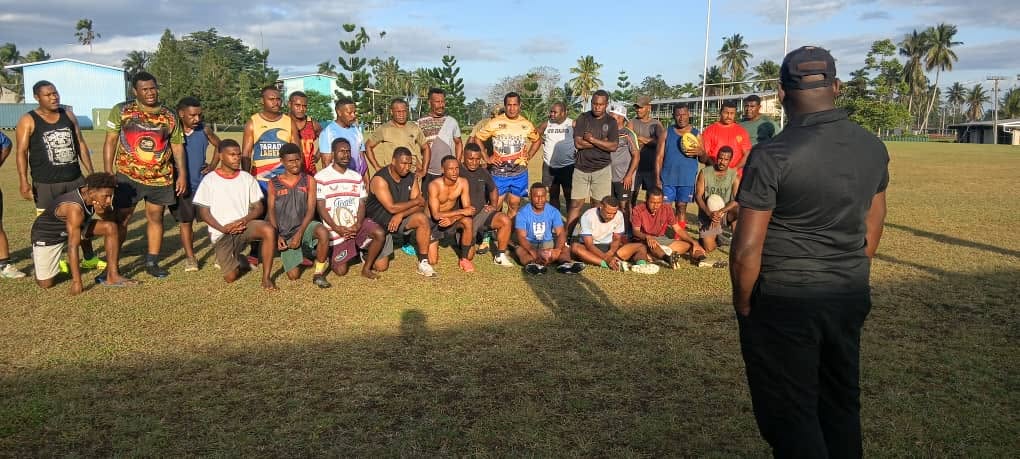
Defending champions, the Igam 1134 Croc, are calling on businesses in Lae, Morobe Province to support their campaign as they prepare to defend the PNGDF Commanders Cup Rugby 15s title.The 2026 tournament will be held from September 14th- 24th, following an amendment from Rugby 10s to Rugby 15s.The change is aimed at aligning the competition with preparations for the Military Rugby Cup 15s in Fiji, giving participating teams an opportunity to strengthen their preparation ahead of the international competition.Igam 1134 Crocs Team Manager Major Derek Levi says the team is aware of the pressure that comes with being defending champions but remains confident in its preparations.He says the mood in camp is calm, while new players have settled well into the squad.Major Levi describes the Crocs as humble, confident and passionate- qualities he believes will be important as they face strong competition.He stated that managing soldiers on the rugby field requires the same level of discipline and focus expected during military training.“You have to be strict and disciplined, and above all maintain morale.”The Crocs have a history of success in military rugby, winning the inaugural 15s Cup in 2011 at Goldie River Training Depot and again in 2022 and is determined to add another title to that record.“We are taking the Cup again this year, no doubt.”However, support from the business community could provide an important boost to the team’s campaign.Major Levi has encouraged potential sponsors from Morobe to come forward and support the Crocs, saying sponsorship would not only assist the team but also demonstrate the pride of Morobe and Lae City.The Crocs will face competition from the 1RPIR Diggers, Basilisk Marlins and Goldie Warriors as they chase a back-to-back title.For Major Levi, retaining the Cup would be more than another sporting achievement.Should they successfully defend the trophy, Major Levi stated the team will host a small fellowship to honor Anutu, whom they credit as their primary source of strength.Looking ahead to the opening match, Major Levi closed with a spirited rally cry: “Asa Sum Ba!!!! Who Says No!!!”
Published on August 26, 2026
TISA BANK, TOYOTA TSUSHO PNG JOIN FORCES ON VEHICLE FINANCING
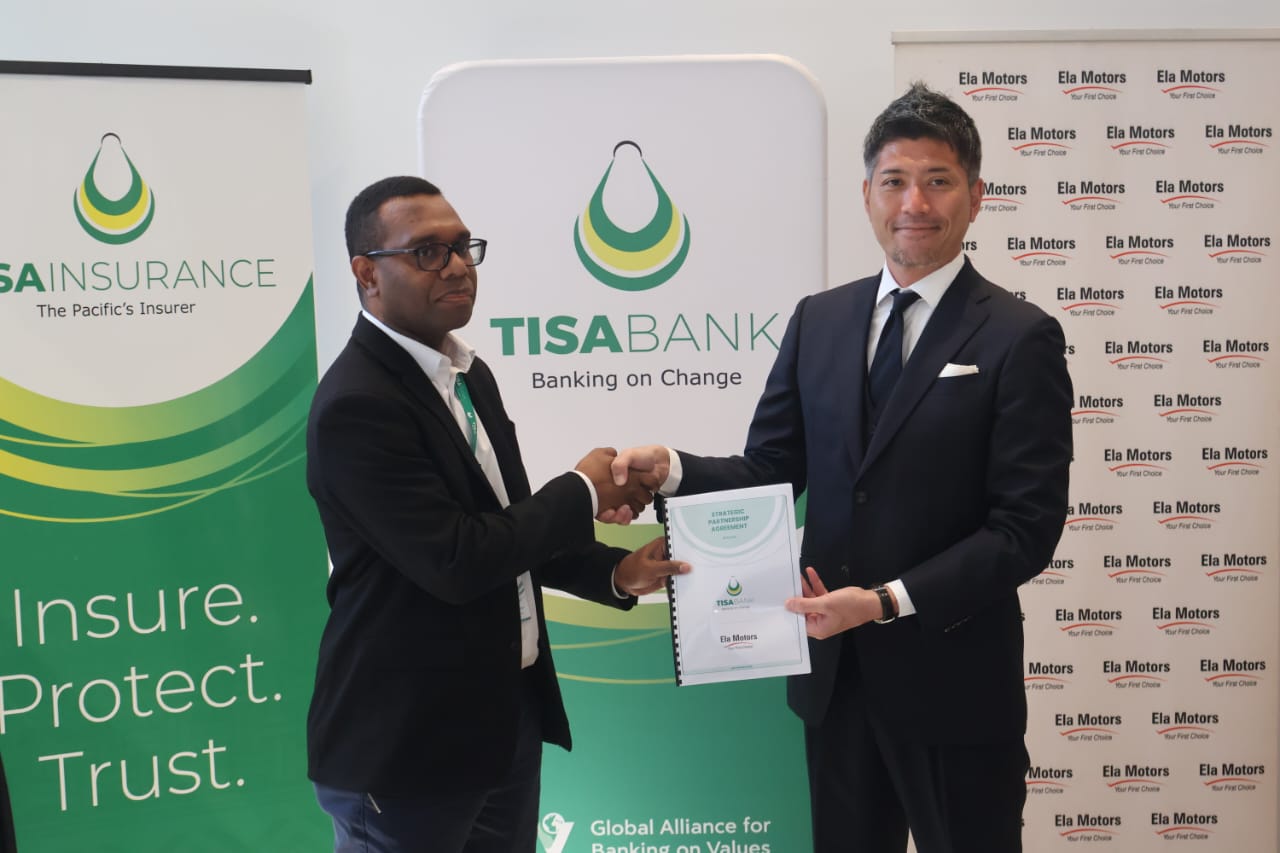
TISA Bank Limited has entered into a Strategic Referral Partnership Agreement with Toyota Tsusho (PNG) Limited to provide vehicle financing options to Toyota customers.Under the agreement, customers purchasing Toyota vehicles and other eligible products can be referred to TISA Bank through Toyota Tsusho PNG dealerships and sales channels.TISA Bank Chief Executive Officer (CEO) Luke Kaul said the partnership will strengthen access to financing for customers seeking to purchase vehicles.Mr. Kaul said the agreement combines TISA Bank's financing solutions with Toyota's established dealership network.Toyota Tsusho PNG and Ela Motors CEO, Masaru Mikami, said the arrangement will provide customers with a more convenient pathway to financing when purchasing vehicles.The partnership also includes staff training, customer support, reporting, and joint marketing activities between the two organisations.The companies expect the referral arrangement to strengthen cooperation between TISA Bank and Toyota Tsusho PNG, while supporting growth in vehicle financing.
Published on August 24, 2026
TISA INSURANCE TO SUPPORT VEHICLE OWNERS THROUGH NEW MOU
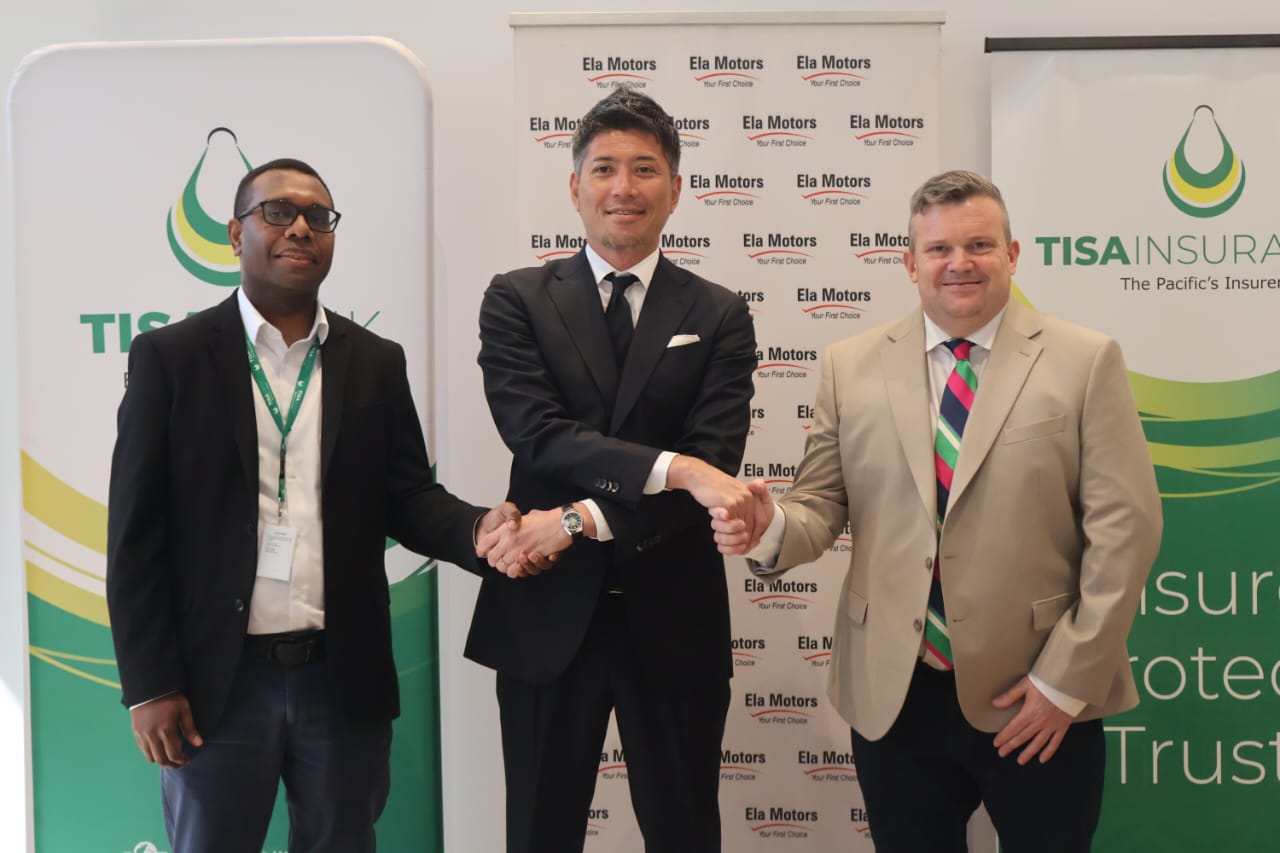
TISA Insurance Group has signed a Memorandum of Understanding (MoU) with Toyota Tsusho (PNG) Limited to strengthen insurance support for customers purchasing vehicles through the Toyota network.The agreement is designed to bring insurance services closer to the vehicle purchasing process, giving customers a more streamlined way to protect their vehicles after purchase.Speaking at the MOU signing, TISA Insurance Group Chief Executive Officer (CEO) Jeremy Norton said the partnership brings together three important elements of vehicle ownership — the vehicle, financing and insurance.Mr. Norton said the arrangement will make it easier for customers to access these services through established brands.“We want to make it easy for people, and people should be able to access those things all in one place at the same time,” Mr. Norton said.He said the partnership also reflects the importance of building long-term business relationships that deliver value to customers and the companies involved.Mr. Norton highlighted the longstanding presence of both the Toyota and TISA brands in Papua New Guinea, saying they have built strong relationships and trust within communities.The MOU will complement vehicle financing options available through TISA Bank, while expanding the insurance support available to Toyota customers.
Published on August 24, 2026