
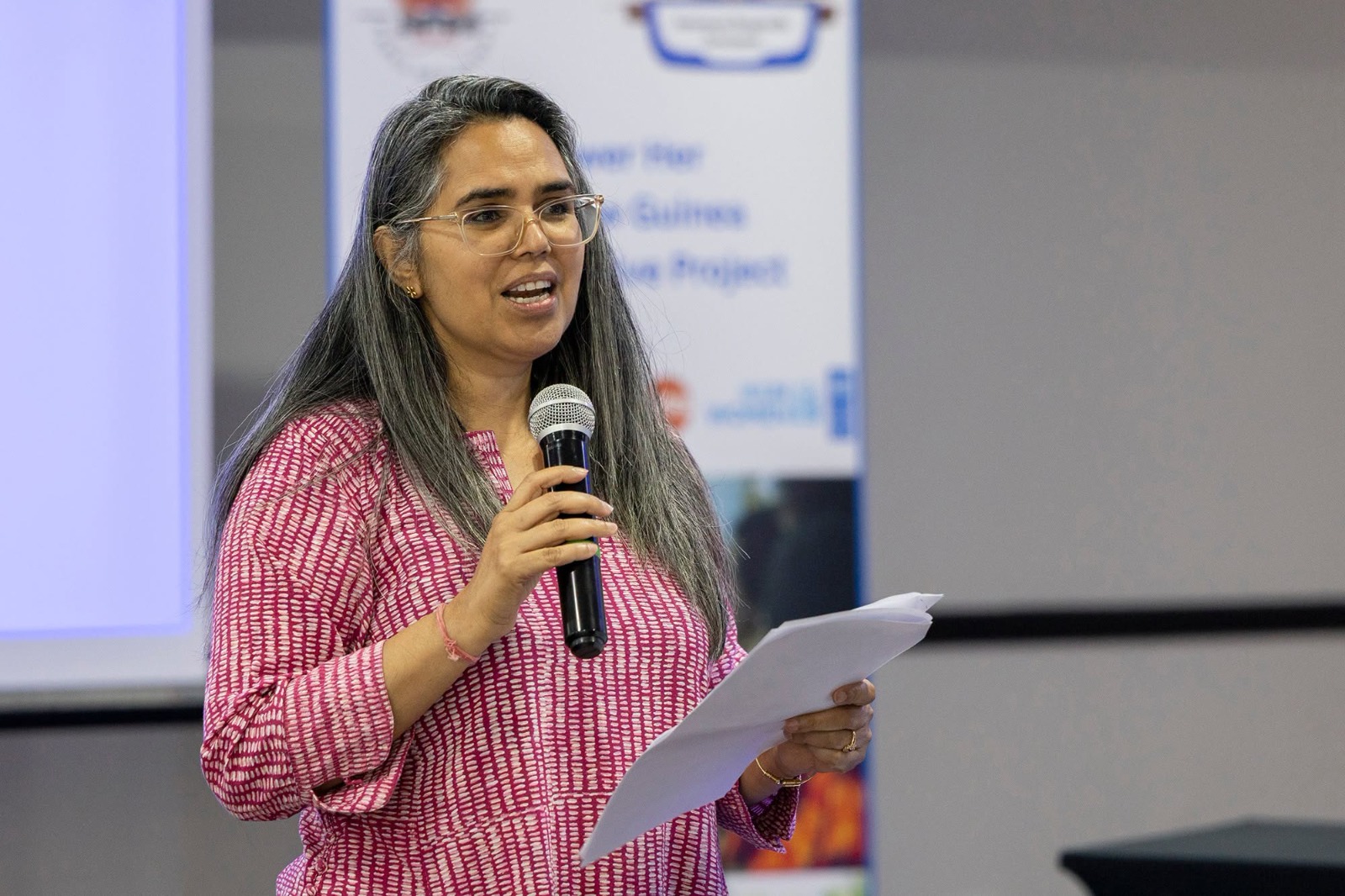
UN Resident Coordinator in Papua New Guinea Shalini Bahuguna has called for stronger provincial disaster management institutions and greater investment in local capacity to help the country better prepare for and respond to disasters.
Speaking at the recent launch of the Provincial Disaster Office Institutional Capacity Assessment Report, Bahuguna emphasized that Provincial Disaster Officers are at the frontline of disaster response, playing a critical role in linking national authorities with communities.
The assessment highlights several critical challenges facing Provincial Disaster Offices, ranging from limited staffing, inadequate infrastructure, and equipment shortages to a lack of technical expertise, weak information management systems, and severe resource constraints.
Despite these obstacles, Bahuguna acknowledged the deep commitment of provincial officers who continue working around the clock during disaster responses.
Stressing that strengthening local capacity must remain a national priority, Bahuguna called for greater investment in institutions rather than solely relying on physical infrastructure such as vehicles, satellite equipment, warehouses, and buildings.
Effective disaster management, she argued, equally depends on skilled personnel, clear policies, strong leadership, reliable information systems, and seamless coordination.
“Investing in strong institutions means investing in a PNG of today and tomorrow, to stand in its 50th year of independence in an independent and self-reliant way.”
Bahuguna urged the government, humanitarian organizations, financial institutions, and development partners to align their support around shared priorities and direct resources to the areas of greatest need.
She noted that the immediate focus must shift from assessment to action through strong partnerships, pointing to the response to Cyclone Maila in East New Britain as a prime example.
In that instance, strong communication enabled local-level officials to quickly relay critical information to Provincial Disaster Offices, allowing targeted assistance to be mobilized as soon as blocked access roads were cleared.
To sustain this progress, the UN Resident Coordinator presented three key requests to the Government of Papua New Guinea.
She called for continued progress on reviewing and strengthening the Emergency Management Act so the legislation can be brought before Parliament.
She urged the development of stronger, interconnected health and emergency response systems deeply linked to local communities.
Lastly, she welcomed the Government's commitment to a coordinated response plan that prioritizes reaching vulnerable populations while building long-term resilience.
Bahuguna reaffirmed the United Nations’ ongoing commitment to supporting the Government, the National Disaster Centre, provincial administrations, and development partners in building disaster preparedness across the nation.
“The way forward is clear,” she said, stressing the importance of continued partnership to build resilient institutions and communities across PNG.