

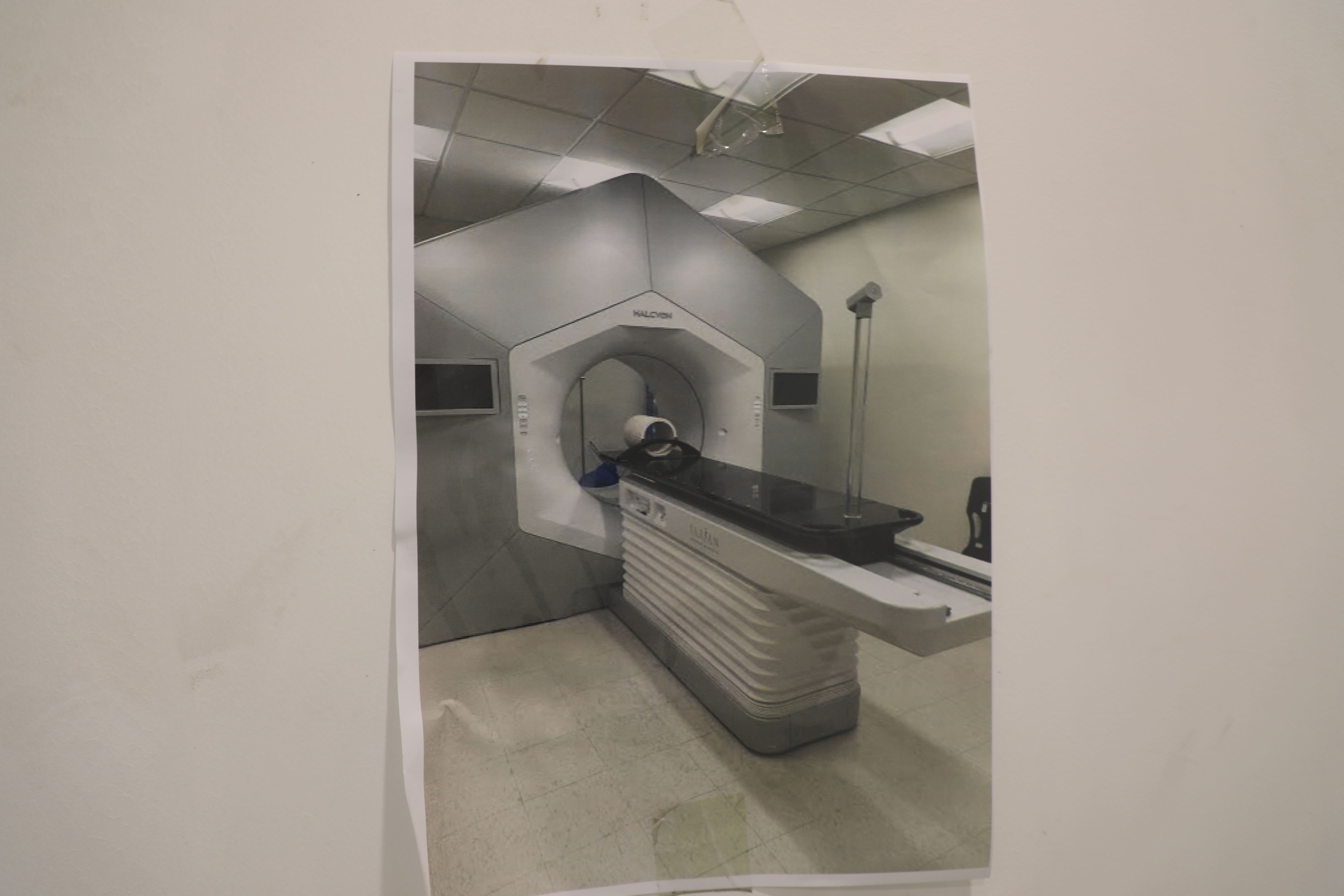
Port Moresby General Hospital (PMGH) has reached a major milestone in Papua New Guinea’s fight against cancer following the arrival of the country’s first Halcyon Linear Accelerator.
The machine will provide advanced specialized radiation treatment for cancer patients nationwide.
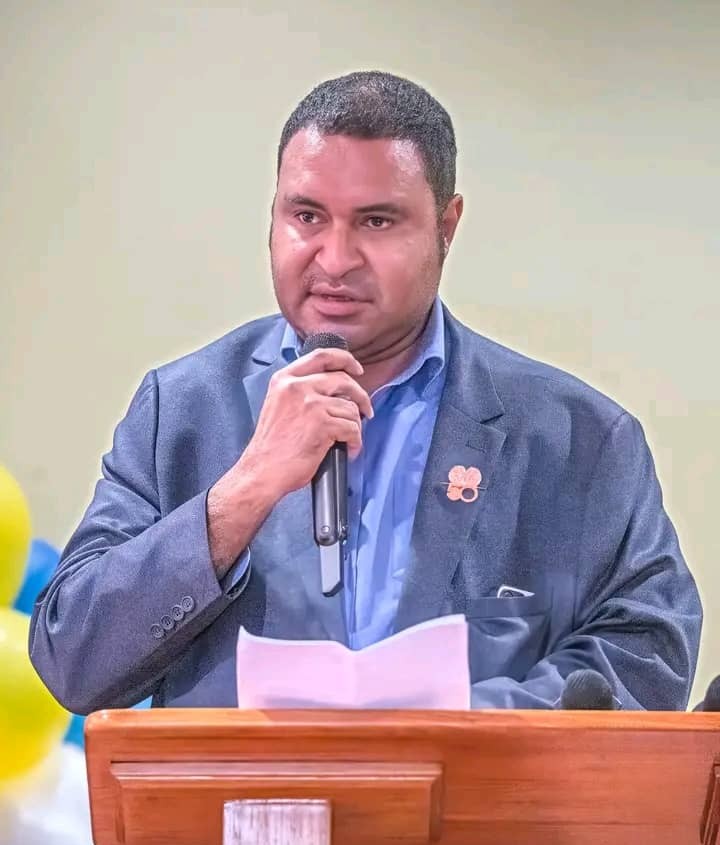
According to Chief Executive Officer (CEO) , Dr. Paki Molumi, the equipment was delivered alongside its required accessories.
It is now ready for installation and commissioning as the hospital prepares to begin cancer treatment services later this year.
Dr. Molumi highlighted that the arrival marks significant progress in the development of the Comprehensive Cancer Centre, a flagship initiative of the Government of Papua New Guinea launched in 2019 to address the country’s growing cancer burden.
“The centre is regarded as the most technically sophisticated health infrastructure project undertaken in Papua New Guinea and represents a major investment in the nation’s healthcare system as the country celebrates its 50th Golden Jubilee.”
“The project is being funded through the Government’s Public Investment Program, with an additional K10 million contribution from Kumul Petroleum Holdings, demonstrating a strong national commitment to improving access to specialized cancer care.”
“The Comprehensive Cancer Centre is estimated to cost K300 million and has been developed in phases to align with annual government funding.”
“To date, K172 million has been released, bringing the facility significantly closer to completion.”
Phase I and II of the projects have been completed, while Phase III stands at 95 per cent completion.
Construction of Phase IV, which covers the upper floors, has commenced and is currently about 15 per cent complete.
Further development is expected to continue between 2027 and 2030 as cancer services expand.
Alongside the procurement of key treatment equipment, the core human resources have been recruited and trained in preparation for the commencement of services.
PMGH has assembled a multidisciplinary workforce to support the new cancer services.
The workforce includes two clinical oncologists recruited from India, two radiation oncologists contracted through the Department of Personnel Management, one national medical oncologist, two medical physicists from Sri Lanka, and three national medical physicists.
Th team is further supported by two radiation therapists recruited from Sri Lanka, three national radiation therapists, and 15 oncology nurses.
An expert commissioning team from Australia has also been contracted for five months to support the commissioning process.
Staff training is scheduled to commence this month of August, backed by ongoing professional development programs designed to ensure staff maintain international standards of oncology practice.
Dr. Molumi said the centre is being developed with a strong emphasis on clinical standards, patient safety, equipment reliability, and regulatory compliance.
“The project incorporates international oncology protocols and accreditation benchmarks, alongside strict infection prevention, radiation safety and equipment calibration requirements.”
“Biomedical engineering and information and communications technology teams will support the reliability and uptime of critical equipment, including radiotherapy machines, PET scanners and artificial intelligence systems.”
“Regulatory preparations include compliance with International Atomic Energy Agency requirements through NISIT, approval of standard operating procedures by the National Department of Health, and compliance with national health standards.”
Furthermore, Dr. Molumi has urged the government to release the K56 million appropriated under the 2026 Public Investment Program to enable the hospital to finalize construction of the upper floors, procure essential goods, and engage the specialist commissioning team.
“The arrival of the Halcyon Linear Accelerator nevertheless represents a significant turning point for cancer care in Papua New Guinea.”
“Once fully operational, the Comprehensive Cancer Centre is expected to provide a one-stop cancer care facility, bringing chemotherapy, radiotherapy, nuclear medicine, and other specialized services together under one centre.”
“By 2030, PMGH aims for the Comprehensive Cancer Centre to provide world-class cancer care and improve access to life-saving treatment for patients from across Papua New Guinea,” Dr. Molumi concluded.