

The government has unveiled an ambitious six-month plan to rescue PNG Power Limited from insolvency, restructure the state-owned electricity company and prepare it for majority private-sector ownership.
Minister responsible for PNG Power, Richard Maru, said the company is facing liabilities of more than K2 billion, including K1.2 billion owed to independent power producers and other creditors.
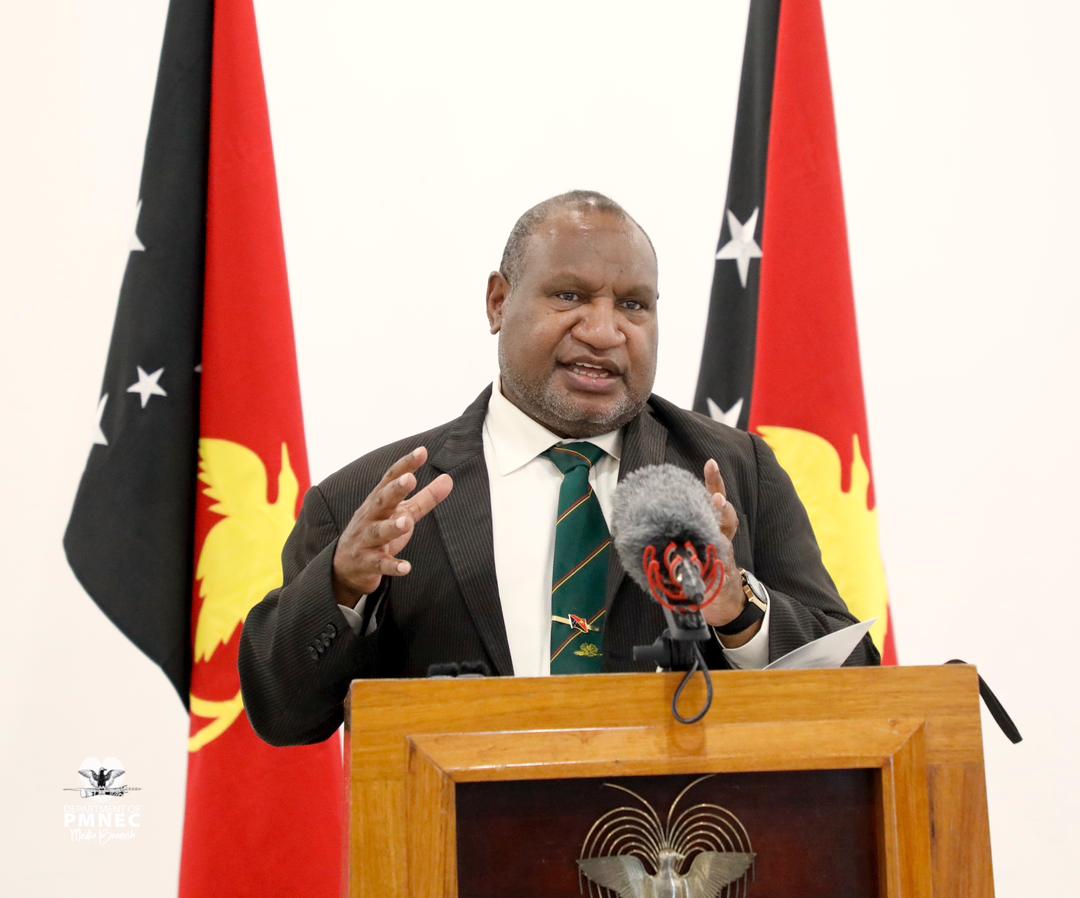
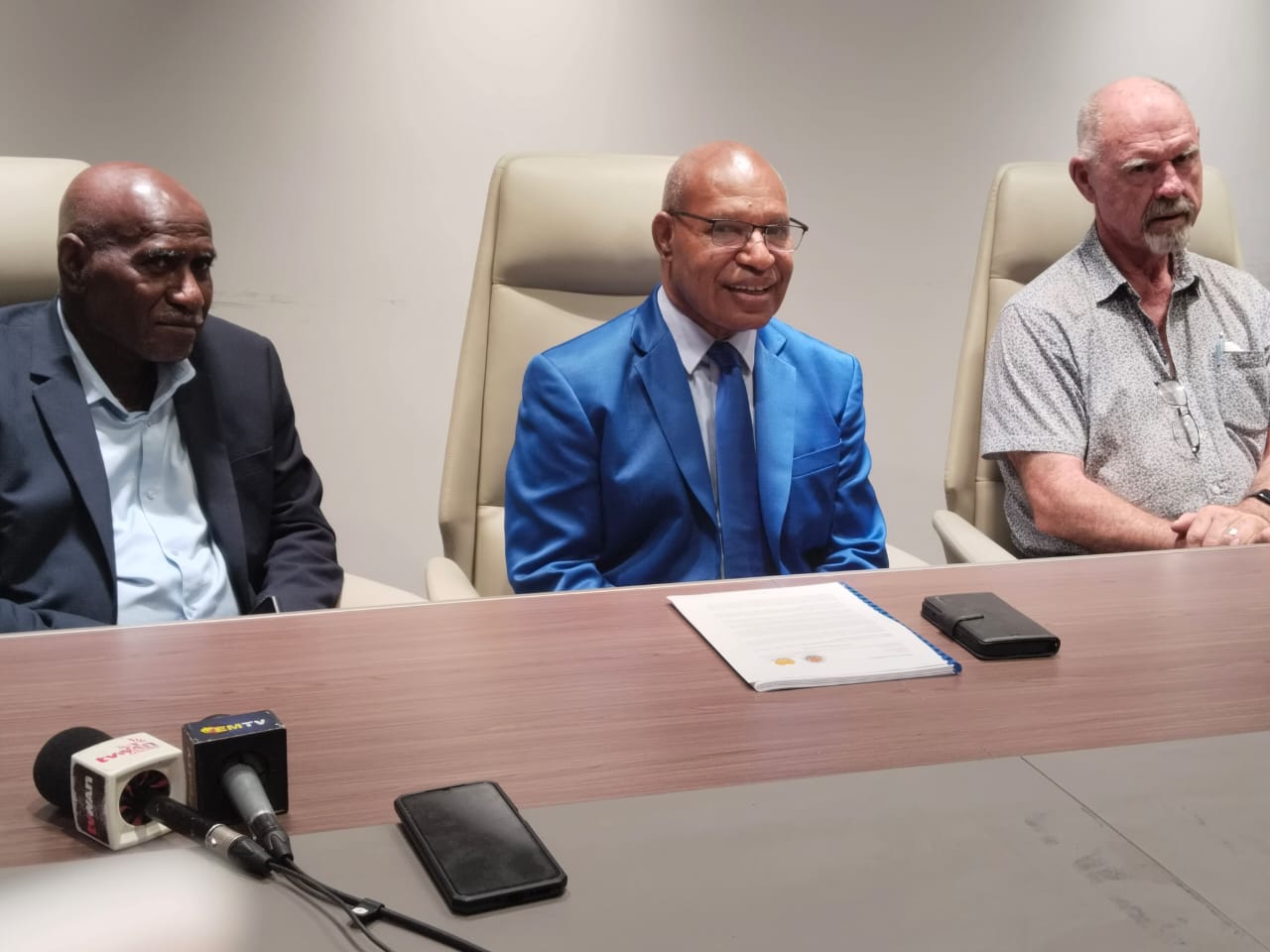
Maru announced the plan during a press conference, describing it as one of the most important decisions he has made since taking responsibility for PNG Power.
He said the company cannot be rescued through more government borrowing, after already accumulating about K2 billion in loans from its shareholder and the government.
Instead, the proposed strategy will focus on operational discipline, restructuring PNG Power's balance sheet, and attracting fresh private capital.
Maru said the government intends to submit a three-step proposal to Cabinet, with the overarching goal of delivering cheaper, reliable and sustainable electricity.
A key part of the plan is addressing PNG Power's outstanding debts.
The government owes PNG Power more than K200 million, and Maru said that debt must be settled before the government can expect other creditors to support a proposed court-sanctioned scheme of arrangement.
He plans to ask the government to allocate K200 million in the supplementary budget, with the debt to be paid between now and December.
Maru said the government must demonstrate its own commitment to PNG Power before asking creditors to assist with the company's restructuring.
The government also plans to sell PNG Power's loss-making B and C centres.
Maru said valuations of the centres have already been commissioned, with the aim of selling them by October.
The centres include Wabag, Vanimo, Manus, areas outside Lae, Ramu Grid, Port Moresby and Gazelle.
According to Maru, these centres collectively cost PNG Power more than K18 million in losses each year because they are operated largely as community services.
He said the proceeds from the asset sales will help PNG Power meet its outstanding obligations and strengthen its balance sheet.
Following the sale of the loss-making centres, the government intends to prepare the remaining PNG Power business for private-sector investment.
Maru said advisers will be brought in, an information memorandum prepared and the company taken to the market by December.
Potential investors will include private companies, superannuation funds and landowner companies.
The government's intention is for private investors to own the largest share of the restructured PNG Power.
Maru said the new company would initially focus on the Ramu Grid and extend its operations through to the Highlands, while other centres would be sold to private-sector operators.
He said funds generated through the restructuring and private investment could be used to upgrade major generation facilities, including Rouna and Yonki and ensure they operate at maximum capacity.
The restructured company could also invest in new generation projects, including hydropower, solar farms and wind farms.
Maru said this would allow PNG Power to progressively reduce its reliance on independent power producers and develop its own cheaper and cleaner sources of electricity.
He points to the partial privatisation of Bank South Pacific as an example of what he believes could be achieved through private-sector participation.
Maru said PNG Power has the potential to become a profitable company if its losses are addressed, illegal electricity connections are stopped, infrastructure is upgraded and fresh private capital is injected.
He said the proposed reforms could put the utility on a path towards sustained profitability, allowing it to finance its own maintenance and future generation investments.
The plan is subject to National Executive Council approval, with Maru hoping the restructuring and sale process can be substantially concluded by February or March.
He said the ultimate objective is to transform PNG's electricity sector and provide the reliable and affordable power needed to support economic growth and improve the lives of Papua New Guineans.