

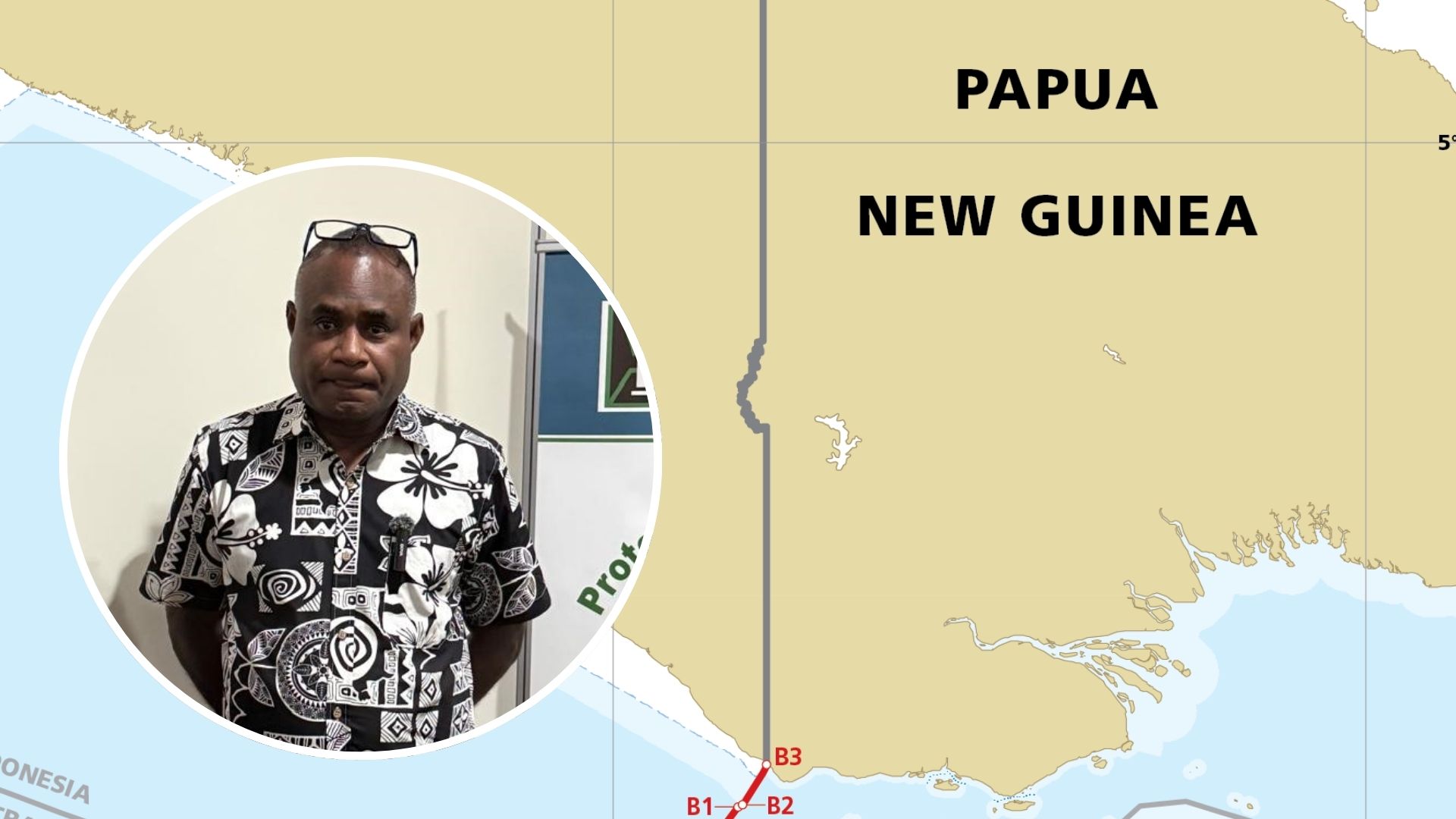
The Royal Papua New Guinea Constabulary’s (RPNGC) Border Command is prioritizing mobility, manpower and logistics planning as preparations intensify for upcoming national security operations linked to the electoral period.
Acting Assistant Commissioner of Police for Border Command, Steven Francis, said the main challenges facing the command are mobility, manpower and funding on elections period.
At Border Command level, which covers Western Province and parts of the Pacific and Indonesia border areas, Francis said all Provincial Police Commanders have already developed their election security plans.
However, he said terrain and access remain the biggest operational obstacle.
“Our major challenge will be mobility. In our Border Command area, most of our locations are along the Fly River and Sepik River systems. So in terms of mobility, that is my number one challenge,” he said.
He said planners must first determine which polling areas are accessible and what form of transport will be required.
“I have to ensure I have the right logistical support. I have to find out in all those districts, LLGs and wards, which polling areas are accessible. What means of transport will it be? Will it be by boat, air or land? That is the most important thing,” Francis said.
He said operational planning is heavily dependent on mobility mapping before deployments can be finalised.
“My planning will revolve around mobility. So, identifying those locations is my first challenge,” he said.
Francis said manpower allocation is the next major concern, particularly in ensuring adequate personnel are deployed to remote polling locations.
“Once I identify how many wards and polling stations there are, my other major challenge is ensuring I have the personnel, the manpower, that I have to deploy according to those polling places,” he said.
He said additional personnel will be required from other police sectors and provinces to support operations.
“Our provinces will be supported by additional manpower from police sectors or from other provinces in terms of our response. So those are my two main challenges, personnel and mode of travel,” he said.
Francis said funding availability and timing will also be critical to ensure deployments are carried out effectively.
He also reflected on lessons learned from the 2022 National General Election, where more than 10,000 security personnel were deployed nationwide.
“Based on the 2022 general election, I was part of the planning coordination section. We had roughly 10,000 plus security personnel deployed,” he said.
He said a similar number is expected for future operations, involving personnel from the Royal Papua New Guinea Constabulary, the Papua New Guinea Defence Force and Correctional Services under the Joint Security Task Force framework.
Francis said effective coordination, timely funding and reliable transport logistics will be key to ensuring successful operations in difficult and remote terrain across the Border Command area.
However, he said one of the biggest operational challenges remains access to remote polling locations.
“our major challenge will be mobility. In our Border Command area, most of our locations are along the Fly River and Sepik River systems. Mobility is my number one challenge,” he said.
He said planners must determine which polling areas are accessible and what transport systems will be required.
“I have to ensure I have the right logistical support. I have to find out in all those districts, LLGs and wards, which polling areas are accessible, and whether transport will be by boat, air or land,” he said.
Francis said operational planning depends heavily on identifying terrain and transport access before deployment decisions can be finalised.
“Once I identify how many wards and polling locations there are, my next challenge is ensuring I have the personnel to deploy to those areas,” he said.
He said manpower allocation remains another major challenge, particularly in coordinating support from other police units and security agencies.
“Another major challenge is ensuring we have personnel and funding in place to deploy officers on time. Our provinces will be supported by additional manpower from police sectors and other provinces,” he said.
Francis said lessons learned from the 2022 National General Election are helping guide current planning efforts.
“Based on the 2022 election, I was part of the planning coordination section. We had roughly 10,000 plus security personnel deployed,” he said.
He said similar numbers are expected again for upcoming operations, involving joint deployment of the Royal Papua New Guinea Constabulary, Papua New Guinea Defence Force, and Correctional Services under the Joint Security Task Force framework.
Francis said effective coordination, timely funding, and reliable transport logistics will be critical to ensuring successful deployment across difficult terrain and remote communities.