

Family and sexual violence remains a major concern across Papua New Guinea (PNG), with thousands of cases continuing to be reported each year, according to statistics presented at the 9th Biannual Military Wives Convention.
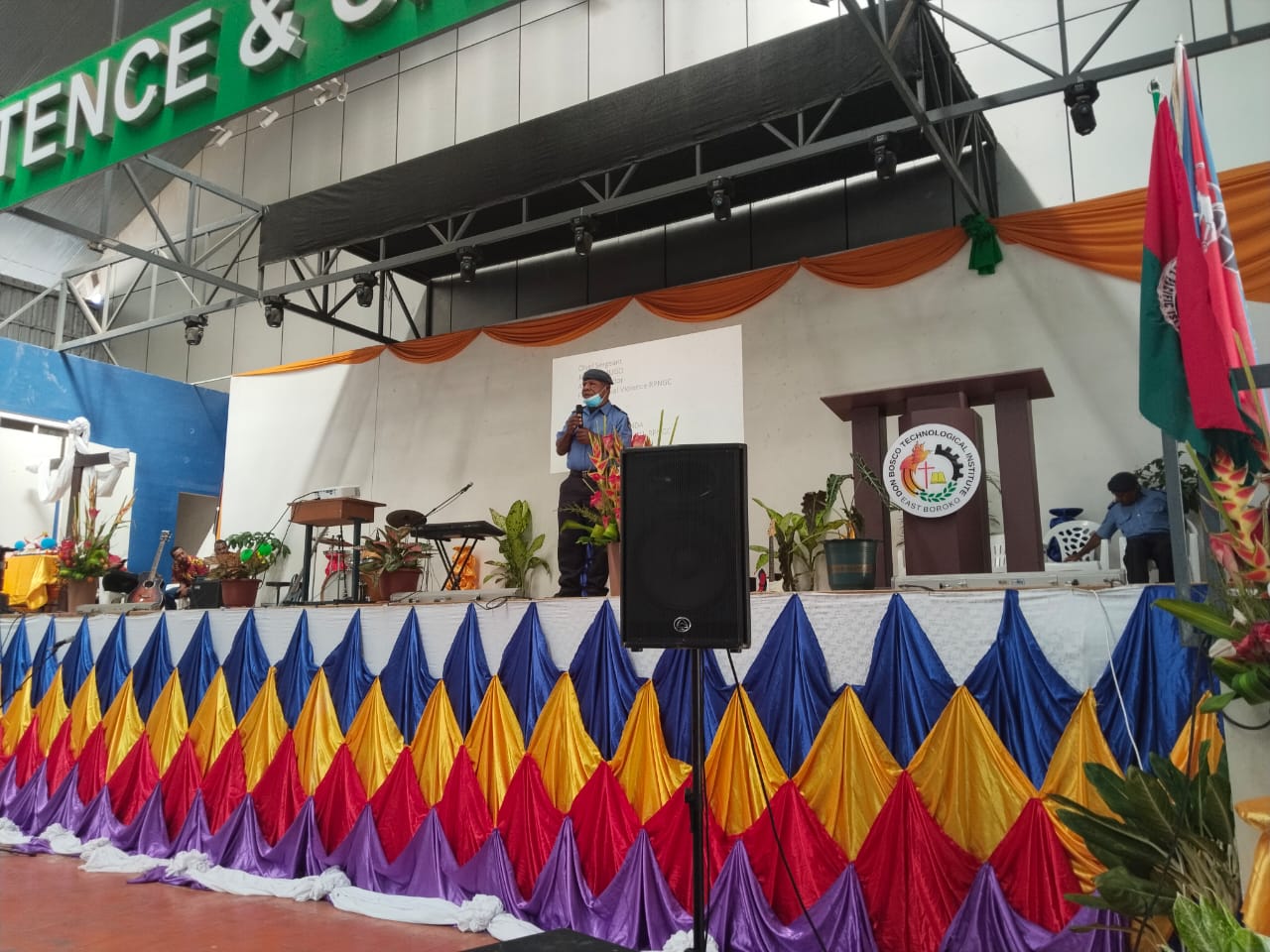
During a Family Sexual Violence Awareness Program hosted at the Don Bosco Technical Institute (DBTI) in Port Moresby city, officers from the Royal Papua New Guinea Constabulary's Family Sexual Violence Unit shared data highlighting the scale of the issue nationwide.
The figures showed that more than 6,900 criminal family and sexual violence cases and over 3,500 civil matters were reported to Family Sexual Violence Units throughout the country in 2025.
Between January and May this year alone, more than 5,200 criminal cases and nearly 2,800 civil matters had already been recorded.
Among the most commonly reported criminal offences were assault, threatening words, insulting language, threatening behaviour, psychological abuse, aggravated assault, property damage and child neglect.
Civil matters frequently reported included adultery, child custody disputes, maintenance issues, separation and cases involving neglect of mothers and children.
The presentation also revealed that women continue to make up the majority of complainants in family and sexual violence cases, while men account for most perpetrators reported to authorities.
FSVU officers used the statistics to highlight the ongoing need for public awareness, stronger support systems and increased reporting of violence-related incidents.
Participants were also educated on the cycle of violence, which includes periods of tension building, violent incidents, denial and reconciliation, often making it difficult for victims to permanently leave abusive relationships.
The session explored some of the reasons women remain in abusive situations, including financial dependence, fear, concern for children, family pressure, lack of support, low self-esteem and hope that the perpetrator will change.
Officers emphasised that violence should never be accepted as normal and encouraged victims to seek help through the Family Sexual Violence Unit and other support agencies.
Military wives attending the convention were urged to use the information gained during the session to educate their families and communities and help create safer environments for women and children.
The awareness program concluded with a call for greater community involvement in preventing family and sexual violence and ensuring victims receive the support and protection they need.