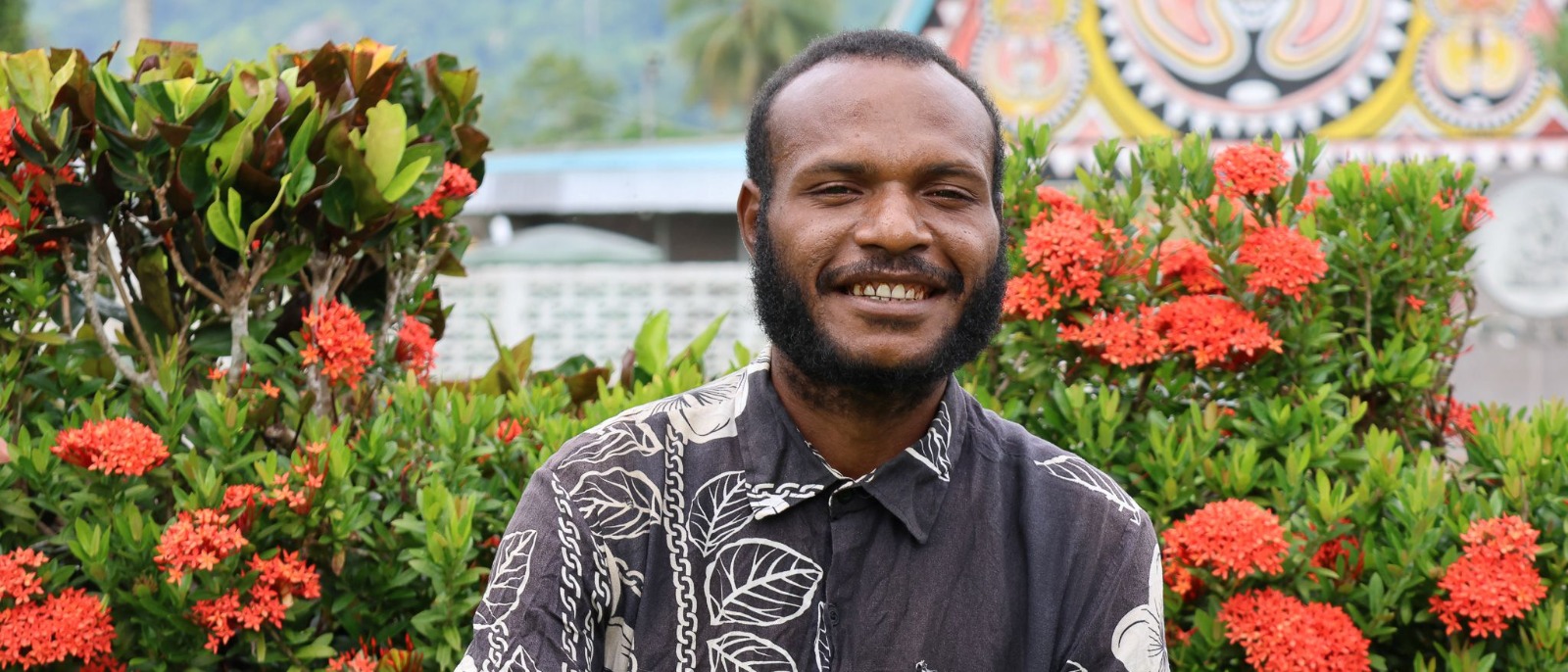


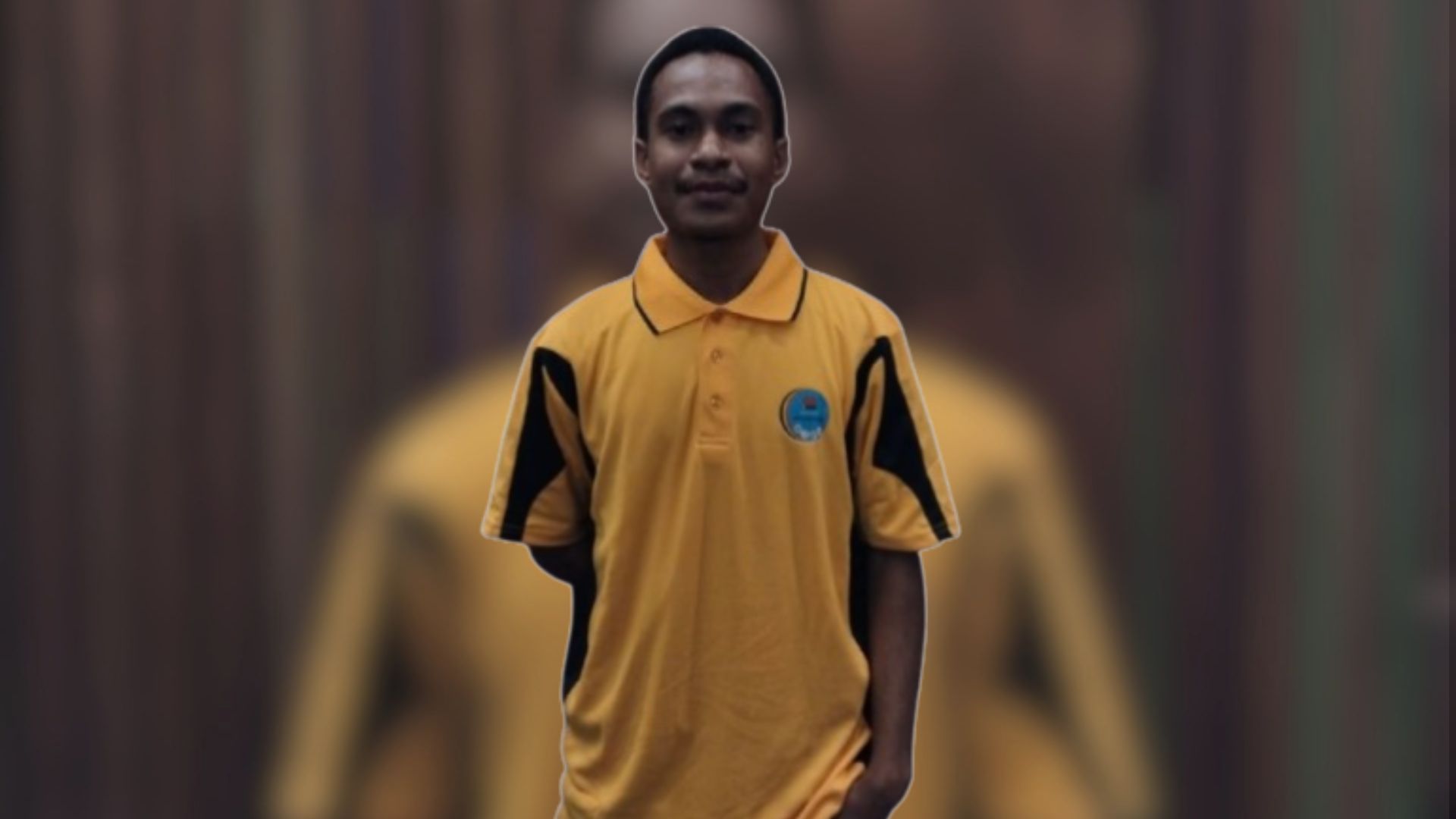
For Stanley Kavila Tomonai, electricity is more than just a convenience; it is a pathway to opportunity.
The Central, Milne Bay student is preparing to leave Papua New Guinea for India, where he will pursue a degree in electrical engineering under the Government’s STEM scholarship program.
As the second of three children, Stanley says his decision to pursue engineering was shaped by what he has seen in his family’s villages.
In his mother’s village in Abau in Central province and his father’s village in Goodenough in the Milne Bay province, access to electricity remains a challenge.
Stanley said the lack of reliable power affects even the simplest things, including how all student study.
“When they want to study, they use solar, and not often there’s sunny weather,” he said.
The experience changed the direction of his ambitions.
Stanley initially dreamed of becoming a pilot, but seeing the need for reliable electricity in rural communities convinced him to choose a different path.
“I started to see the demand for it, like I said, back in my village. So, I decided to take up electrical engineering,” he says.
His journey through education began in Port Moresby, where he attended St Terese Primary School at before continuing to Kila Kila for Grades 9 and 10.
He was later selected to attend Port Moresby National school, where he completed Grades 11 and 12 and took part in the STEM program.
While Stanley has visited his mother’s village, he has never been to his father’s village. But through his relatives and family connections, he remains aware of the challenges faced by students and communities in rural areas.
He says access to basic services such as water, electricity, and healthcare continues to be a concern.
For Stanley, receiving the opportunity to study overseas is therefore about more than earning a qualification.
“It really means a lot personally to my family, my community and the country as a whole,” he says.
He sees the scholarship as a chance to gain international exposure, build networks, and develop skills that he can eventually bring home.
For the first-time overseas traveler, there is also the excitement of experiencing a new country.
“I’m excited about travelling and seeing new places,” he says.
But beyond the excitement of travel, Stanley already has a clear idea of what he wants to learn.
His particular interest is in grid systems and how sustainable electricity networks can be developed to meet the needs of communities.
When he returns to Papua New Guinea, Stanley hopes to bring back more than technical knowledge.
He wants to return with a different mindset, new skills, and experiences that can contribute to the country’s development.
And he knows exactly which problem he wants to help tackle.
“Power shortages here. It’s a really big issue,” he says.
In the next decade, Stanley sees himself not only as an electrical engineer but also as an entrepreneur and CEO.
For now, however, his immediate goal is clear: complete his degree, gain the experience he needs and return home ready to help address the very problem that inspired him to choose engineering in the first place.
His story is one of a young Papua New Guinean whose ambition was redirected by the needs of his community and whose dream now goes beyond personal success.
Stanley wants to help bring power to places where students still depend on the sun to study.
And for him, that is the power of education.